1981-1984
1981-1984
1982 р. Наказом Міністерства приладобудування НВО «Імпульс» призначено Головною організацією в СРСР зі створення, промислового освоєння та впровадження керуючої обчислювальної техніки для атомної енергетики..
Були розгорнуті роботи зі створення технічних і програмних засобів для верхнього і нижнього рівнів АСУ ТП енергоблоків АЕС, а також для промислової мережі.
Початок серійного випуску високопродуктивних мультипроцесорних ЕОМ ПС-2000, ПС-3000. Вони знайшли застосування в геофізиці, системах обробки даних гідроакустики, метеорології, телеметрії, наукових експериментах.
ЕОМ ПС-2000
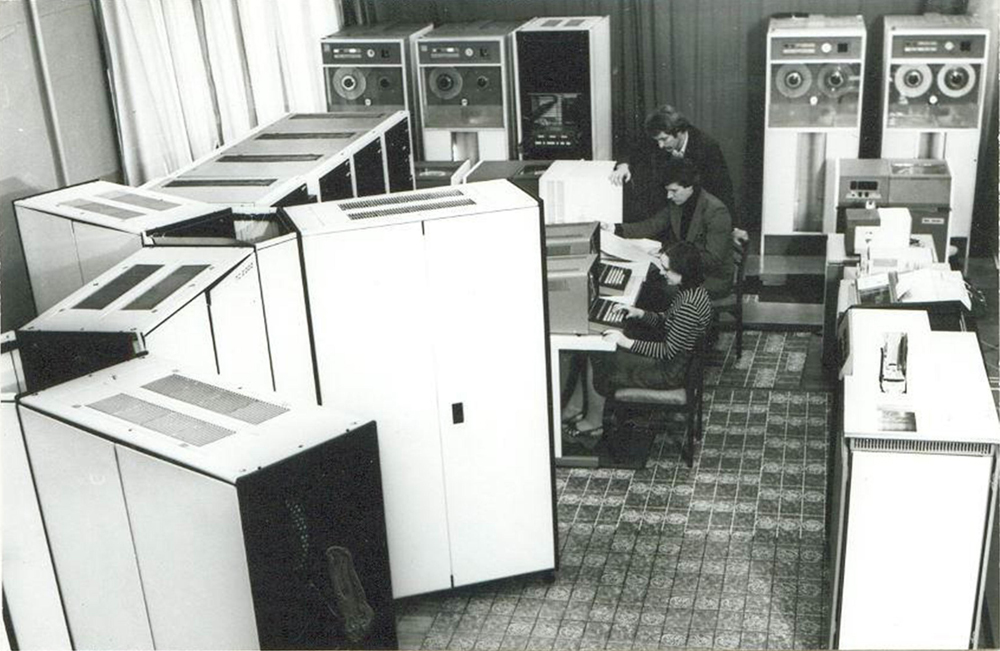
Архітектура ПС-2000 – типу SIMD (single instruction, multiple data — одиночний потік команд, множинний потік даних, ОКМД).
Продуктивність ПС-2000 – 200 млн. операцій в сек. Вона мала до 64 процесорних елементів, структура взаємодії яких в процесі обчислень визначалася алгоритмами завдань.
Примітка: Опубліковано статтю в журналі «Прилади та системи управління» 1992 р., №10 «Оцінка продуктивності ЕОМ ПС2100».
Завантажити…
Наступна модель ПС-2100 (розробка 1988 р.) досягала продуктивності в 1,5 млрд. операцій за секунду. Процесорні елементи реалізовані на базових матричних кристалах (БМК), виготовлених за КМОП-технологією.
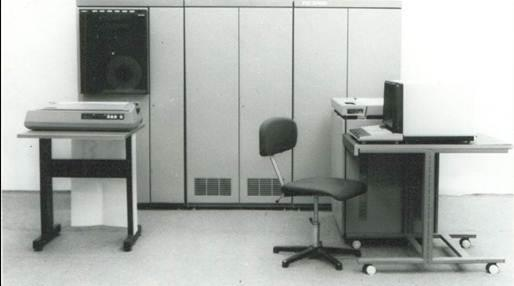
ПС-2100
ЕОМ ПС-3000
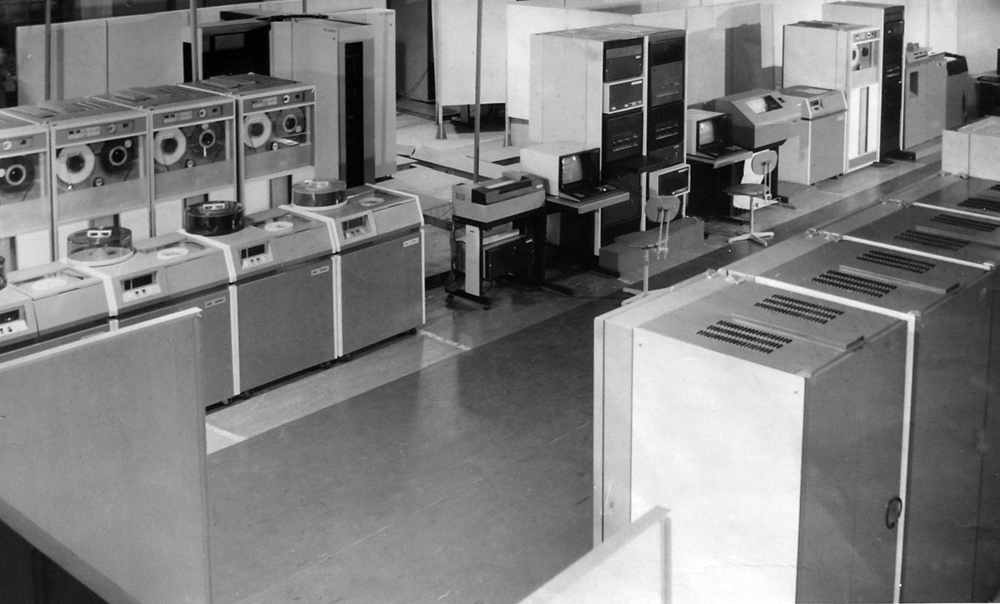
ЕОМ ПС-3000 відноситься до обчислювальних систем з архітектурою MIMD (Multiple Instruction stream, Multiple Data stream — Багатопотоковий потік команд, Багатопотоковий потік даних).
Склад ПС-3000: 4 скалярних процесора (СП); 2 векторних процесора, кожен з яких складався з восьми однотипних, автономно і асинхронно функціонуючих процесорних елементів; 4 модуля загальної оперативної пам’яті; до 16 периферійних процесорів.
Одночасно на різних стадіях обробки в СП могли перебувати до восьми команд.
Програмне забезпечення МВК ПС-3000 включало одну з версій операційної системи Unix, засоби програмування на мовах Макроасемблер, Паскаль, Фортран-77, СІ, бібліотеки і пакети прикладних програм.
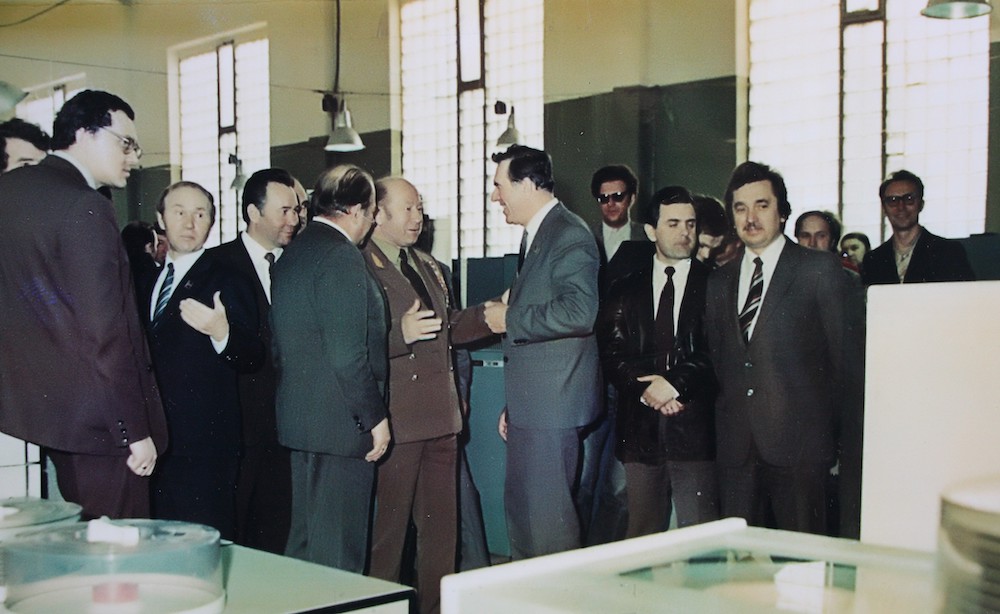
1984 р. СНВО «Імпульс» відвідав перший чоловік, який вийшов у відкритий космос, льотчик-космонавт СРСР Леонов Олексій Архипович. О.О. Леонов ознайомився з розробками підприємства та виробництвом. Результатом візиту став договір на поставку комп’ютерного обладнання та програмного забезпечення для Центру підготовки космонавтів.