
Input panel ShchV-1
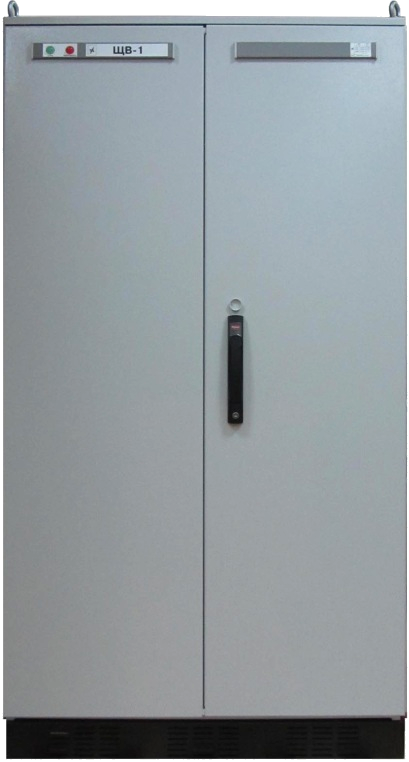
The panel is designated to input, protect against impulse lightning overvoltages, and record electric power consumption of three feeders of three-phase voltage depending on the package.
Main functions:
- remote switching-off feeder;
- manual selective switching-off feeders;
- protecting input and output circuits against overloads and short circuits;
- recording electric power consumption on each feeder;
- monitoring and diagnosing panel’s components;
- fault light indication.
Other solutions for power supply systems
Automatics devices for digital substations
The devices ensure automation of digital substations meeting the requirements of the international standard IEC 61850: automation of electric power transmission and distribution, operation of relay protection and automatics systems, recording of emergency events.
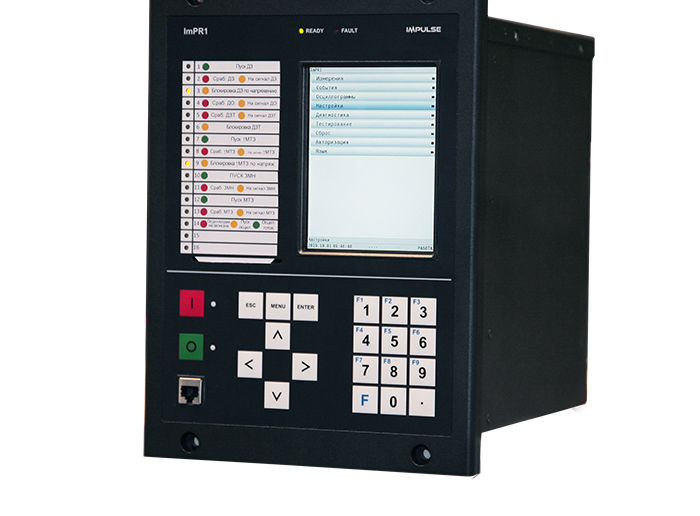
Microprocessor relay protection and automatics devices ImPR1
Microprocessor ImPR1 devices are designated for relay protection, automation, and control of systems generating, transmitting, and distributing electric power.
Arc protection devices
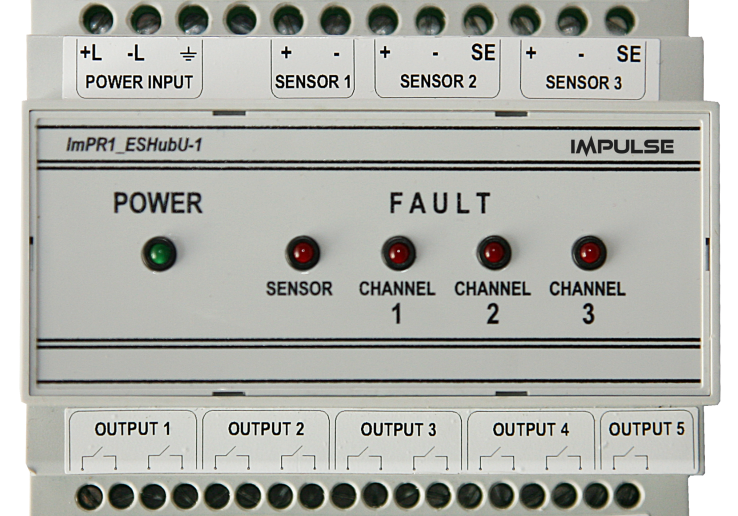
ImPR1_ESHubU-1 switching unit with ImPR1_ESensU-1 optical sensors is designated to detect a short circuit arc in distribution devices in a short period of time and to transmit information on a monitored section into relay protection and automatics devices.
Current and voltage sensor
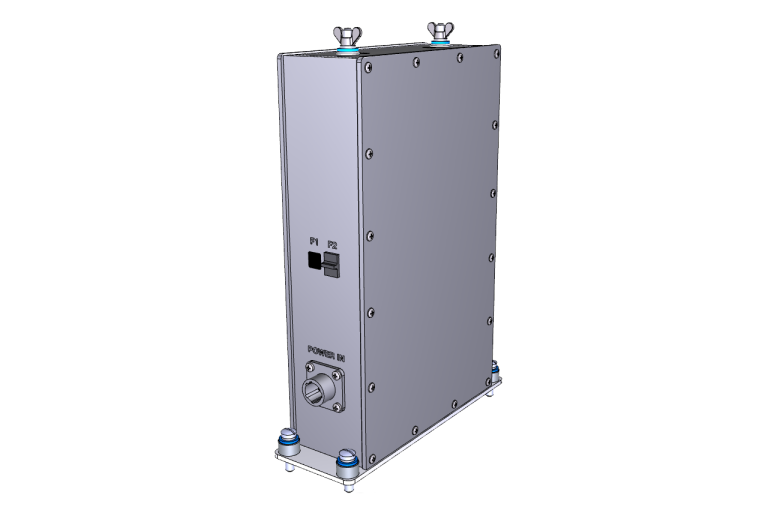
The PSensU-1 current and voltage sensor is designated to measure and monitor current up to 6 kA and voltage up to 6.5 kV and to transmit data via fiber-optical channels into a protection device.
Low-voltage switchgears NKU RTZO-I
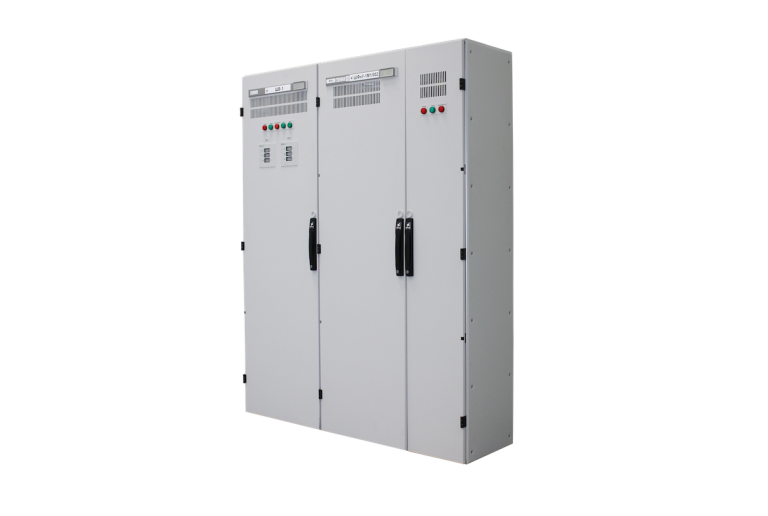
Low-voltage switchgears are three-phase alternating current distributors of closed version, one-way service are designated to distribute electric power to low-power users.
Distribution cabinet ShR-1
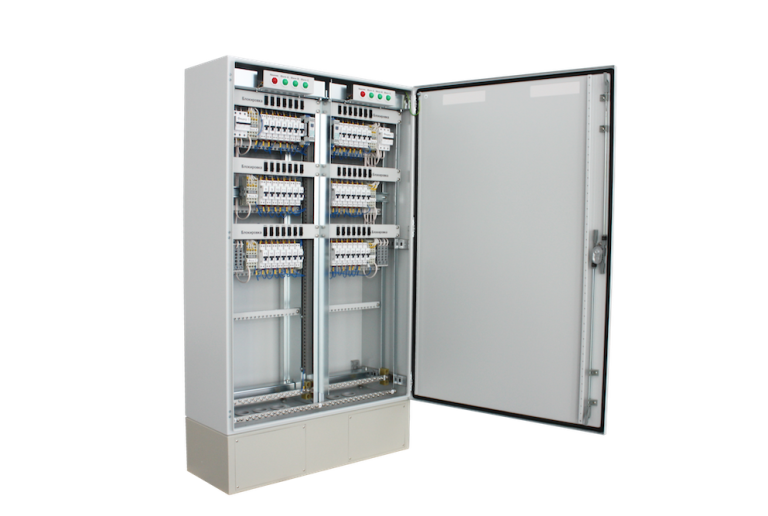
The cabinet is designated for connection of 21 users (with rated power 880 V·A each) to a power network by means of automatic switches from two independent feeders.