

Safety control system technological
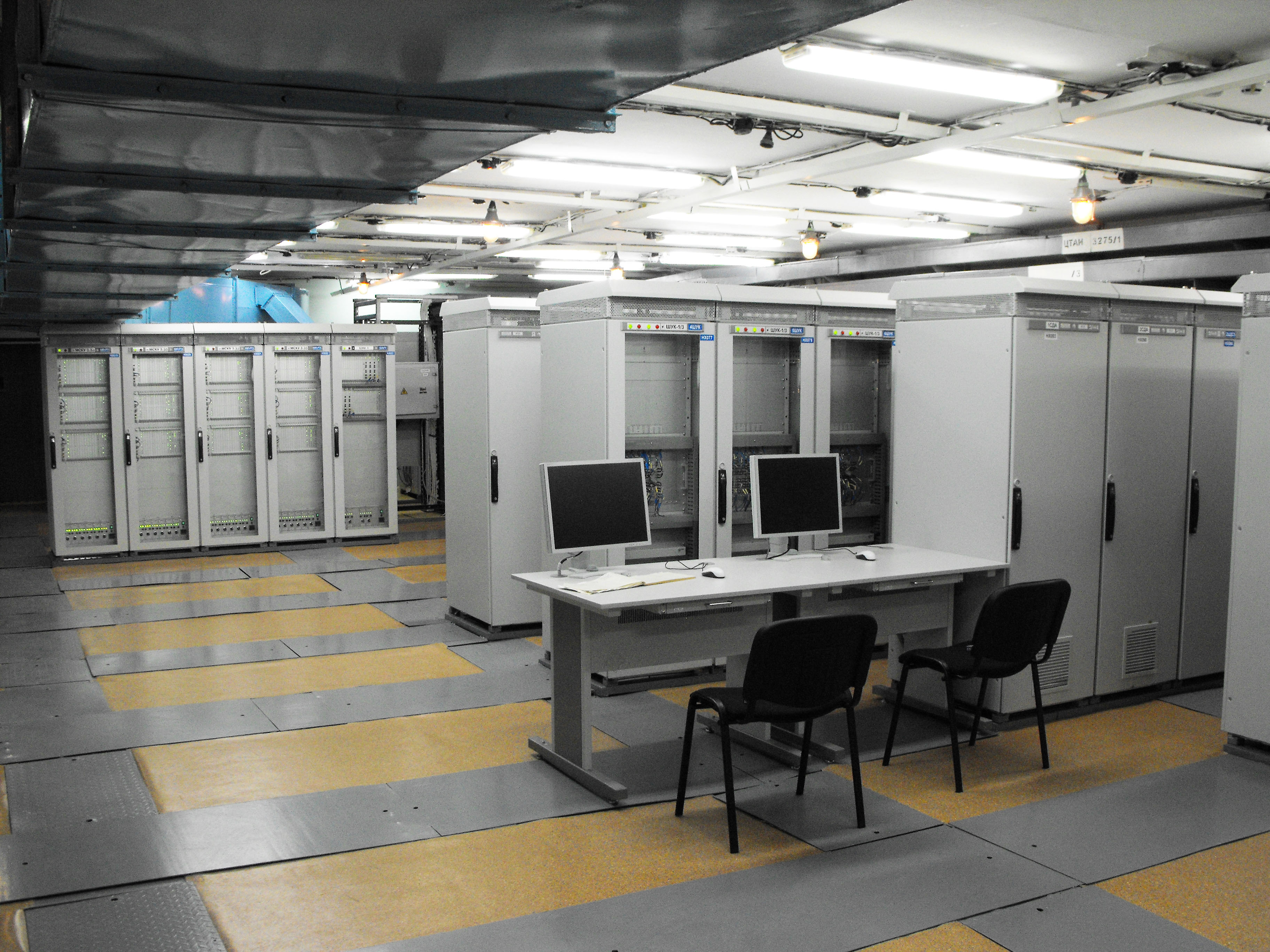
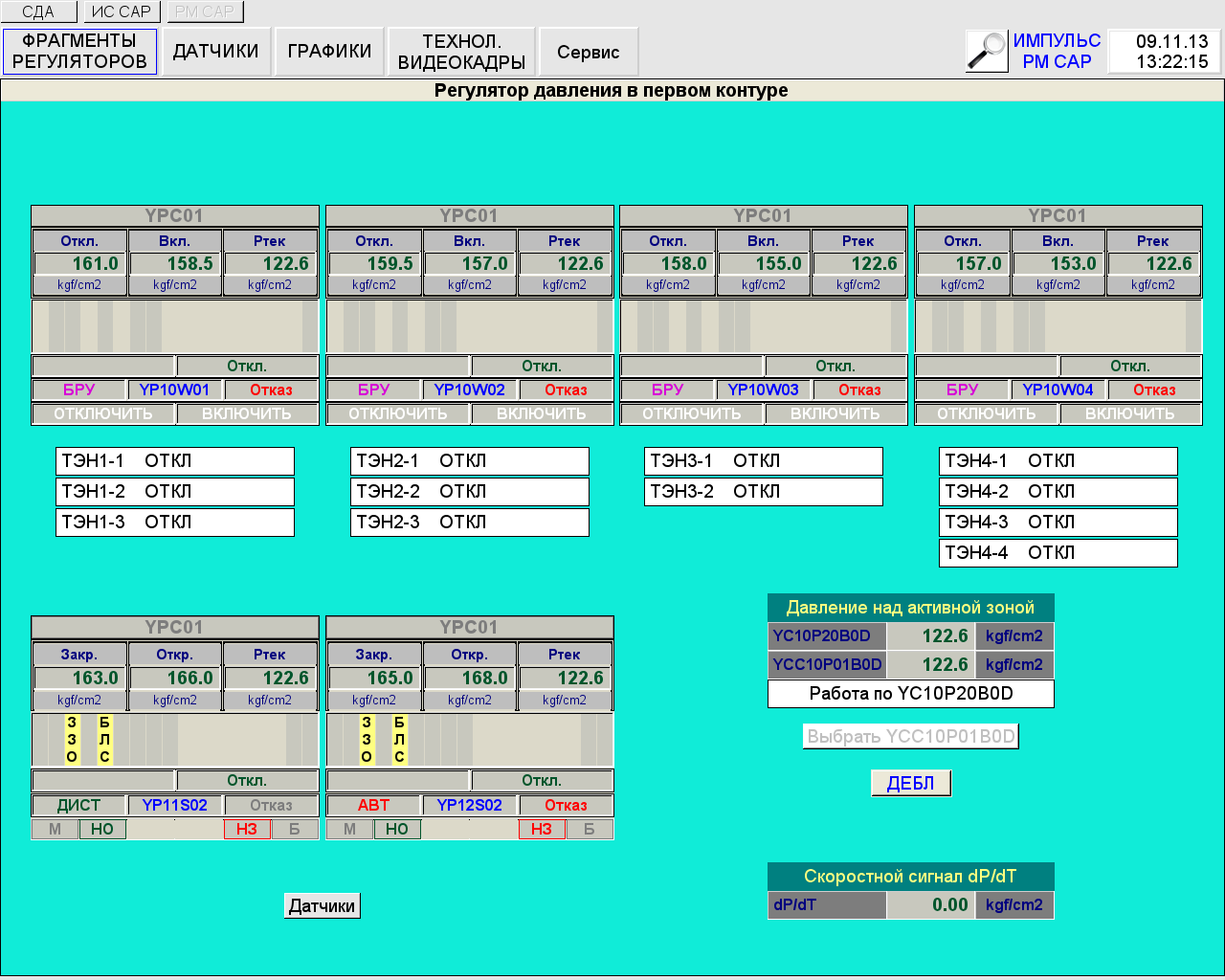
The system is designed to initiate actuation and control of the power units’ safety systems.
Functions of USBT:
- monitoring technological parameters and identifying initial events by primary processing of input signals and generation of current signals in three mutually redundant MSKU channels;
- generating sequence of protective action commands by “2oo4” logic that are stipulated for a detected initial event (protections of emergency core cooling system (SAOZ), pressurizer’s pulse valves protections (IPK), shut-down cooling, protection of IPK SAOZ, step-by-step diesel generator starting algorithms, etc.);
- generating technological protection and interlock commands by “2oo3”, “2oo2”, “1oo2”, “1oo1” logic (protection and interlock of steam pipe and feeding pipe systems, main steam isolation valve, a technical water system, gas blowers, ventilation systems and conditioning, oil pumps, etc.);
- automatically regulating technological parameters;
- automatically controlling actuators;
- remotely controlling and indicating actuator state in MCR, BCR;
- generating technological and warning alarm signals in MCR, BCR;
- transferring data on technological parameter values, state of protections, interlocks, and actuators, diagnostic data to unit’s IVS;
- visualizing, archiving, and logging current data.
Advantages:

High fail-safety

Ergonomic and intuitively clear operator’s interface;

High level of system’s security
Other solutions for nuclear power plants
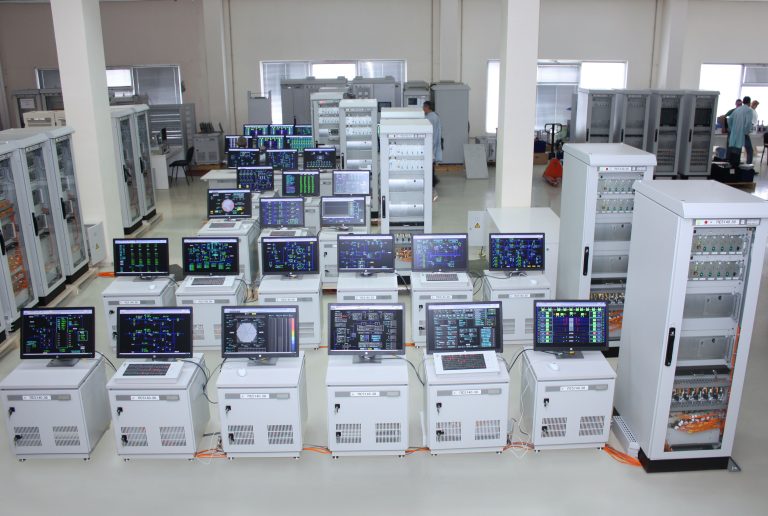
Process information system (unit’s upper level)
Central control system for the NPP power unit which provides visualization, registration and documentation of technological process parameters in all operating modes of the power unit, control of critical functions and basic safety parameters.
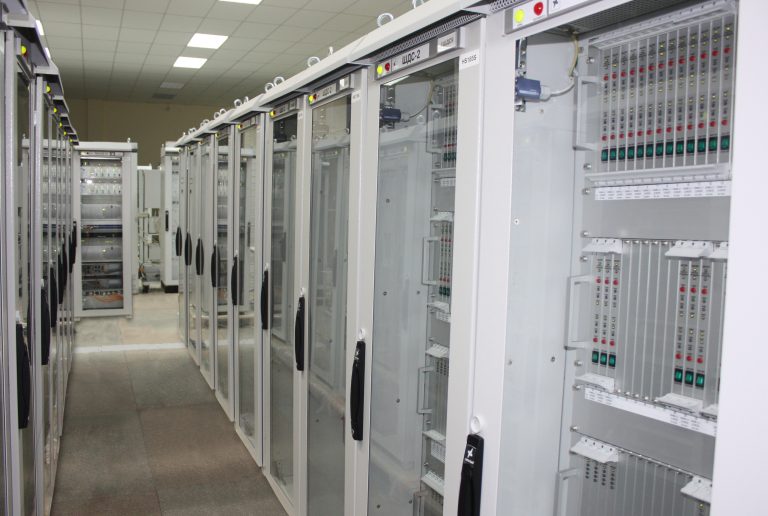
Normal operation control systems for reactor and turbine divisions
The systems are designed to control normal operation control of NPP units’ technological systems.
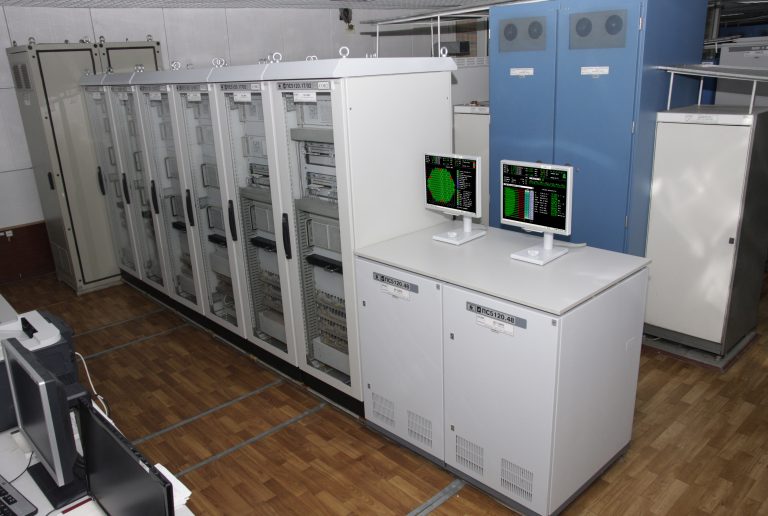
In-core monitoring system
The in-core monitoring system assures monitoring of neutron-physical and thermohydraulic parameters of a reactor facility’s (RF) primary circuit and information support to an operator.
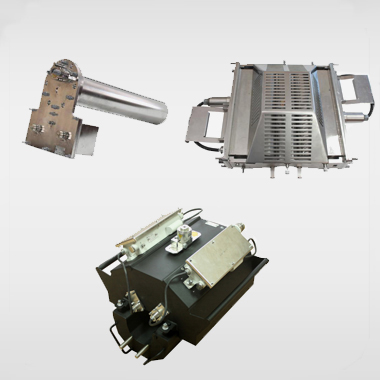
System to monitor boron-10 isotope (boric acid) concentration
The main function of the boron concentration monitoring system based on neutron solution analyzers NAR-I – automatic continuous measurement of boron-10 (boric acid) concentration in coolant at NPP power units with WWER-type reactors.
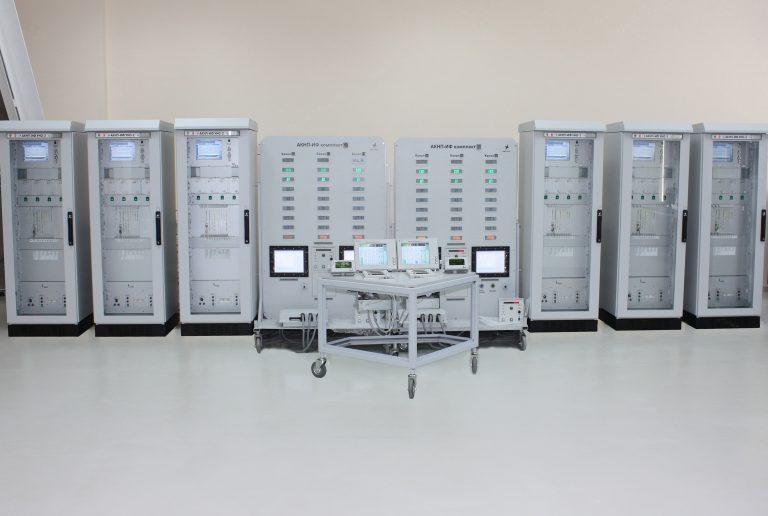
Neutron flux monitoring system
The system is a part of a control and protection system (SUZ) of NPP power units.
Complex diagnostics system for equipment of a reactor facility’s primary circuit
It provides complex technical diagnostics of the primary circuit equipment by analyzing diagnostic information received from power unit monitoring and control systems, local diagnostic systems and its own databases.