

Neutron flux monitoring system
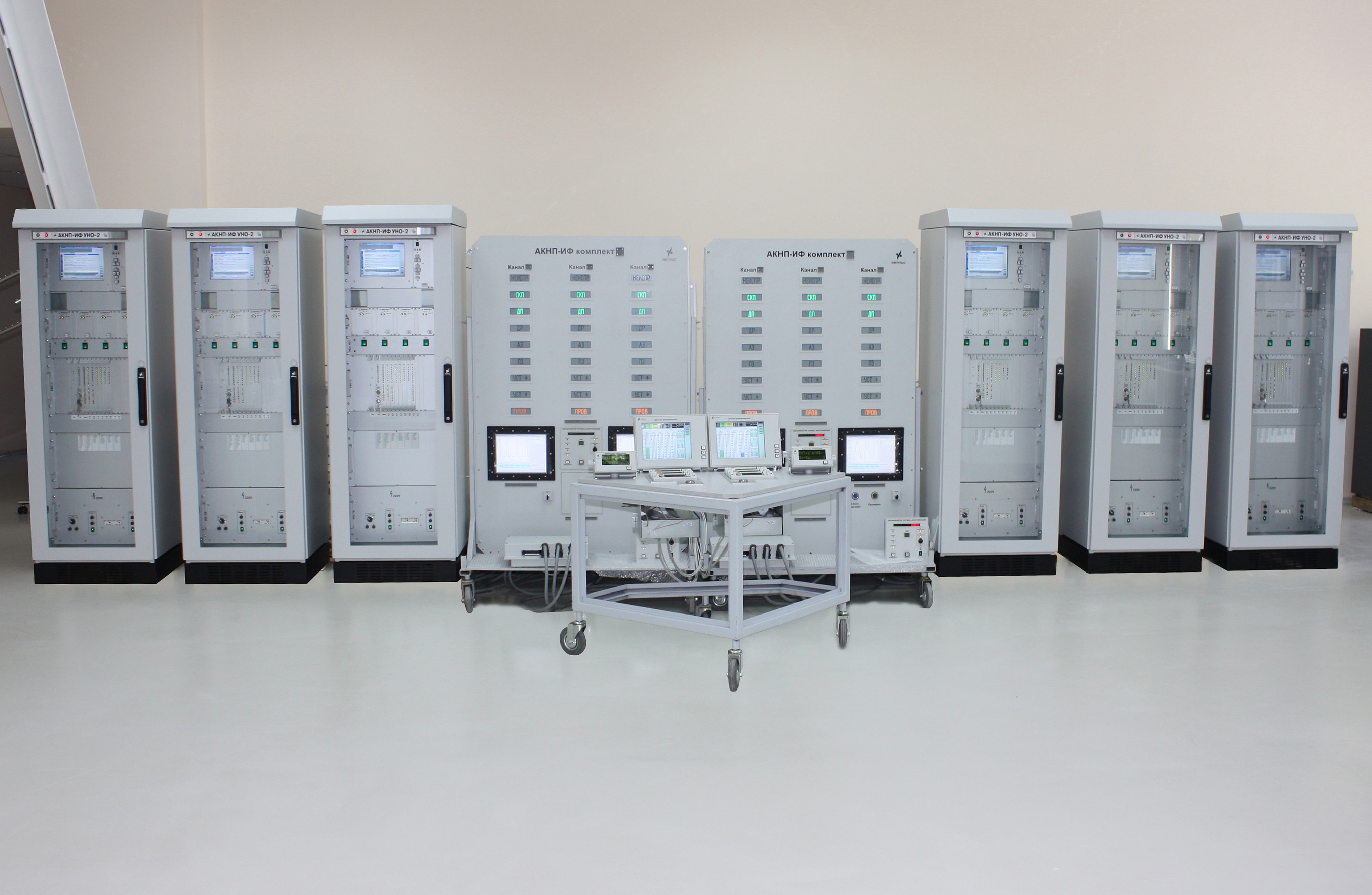
The system is a part of a control and protection system (SUZ) of NPP power units.
Functions:
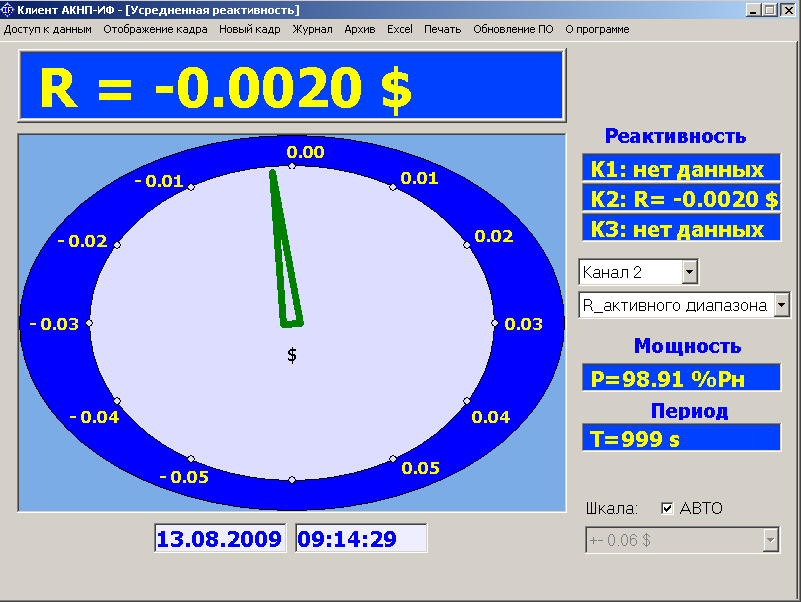
- monitoring, continuously registering, and archiving current values of reactor relative physical power, velocity (period) of its change, and reactivity;
- generating discrete signals on exceeding emergency and preliminary protection setpoints, setpoints of control and regulation by relative physical power and period for SUZ and power unit’s ICS subsystems;
- presenting analog and discrete signals in the optical and acoustic form to operators of main, backup control rooms and a fuel reload machine, to operating personnel;
- automatically correcting neutron power measurements taking into account thermal physic and other parameters characterizing state of a reactor facility;
- monitoring fixation of in-core devices by results of neutron detector signal fluctuation analysis;
- monitoring subcriticality of a reactor facility.
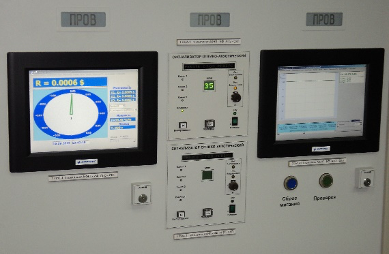
The system includes two sets of APZ-SKP for SUZ and MCR, one set for BCR.
Each set includes three independent channels of neutron flux monitoring. Each neutron flux monitoring channel consists of:
- detection devices containing:
- detection units based on ionization chambers (for startup and operating ranges), on boron or helium corona radiation-resistant highly sensitive neutron counters (for an SKP fuel reload monitoring system);
- amplification and digital conversion units;
- an accumulation and processing device;
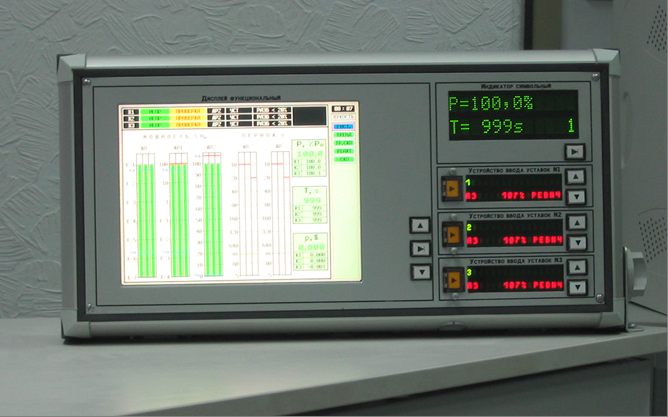
- a device for input of power setpoints;
- recording and display units for a main control room and a fuel reload machine panel to display and archive current parameters, as well as to transfer information to unit’s adjacent systems – common for three neutron flux monitoring channels.
Advantages:

Automation of calibration of neutron flux density monitoring channels

High accuracy

Integration of a fuel reload monitoring system into the system;

Absence of influence of residual readings

Possibility of immediate calibration of power readings in MCR
Other solutions for nuclear power plants
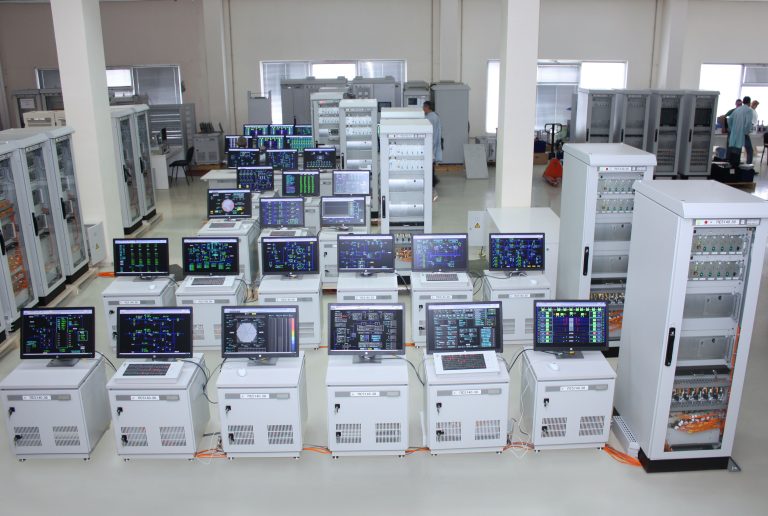
Process information system (unit’s upper level)
Central control system for the NPP power unit which provides visualization, registration and documentation of technological process parameters in all operating modes of the power unit, control of critical functions and basic safety parameters.
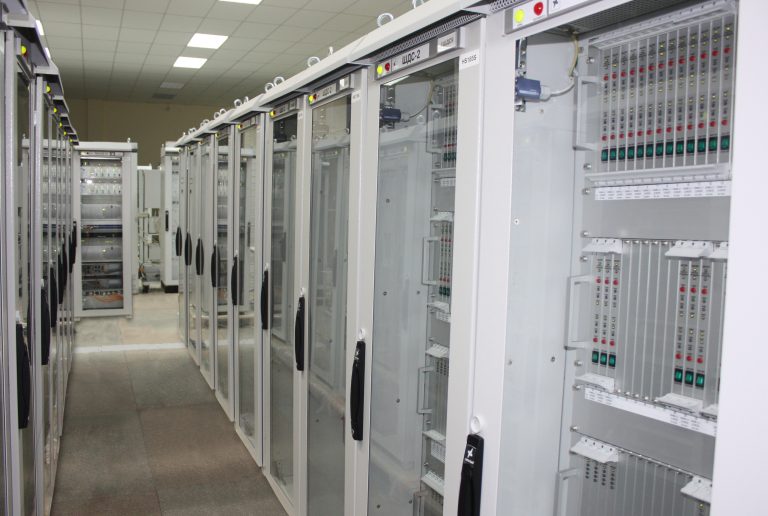
Normal operation control systems for reactor and turbine divisions
The systems are designed to control normal operation control of NPP units’ technological systems.
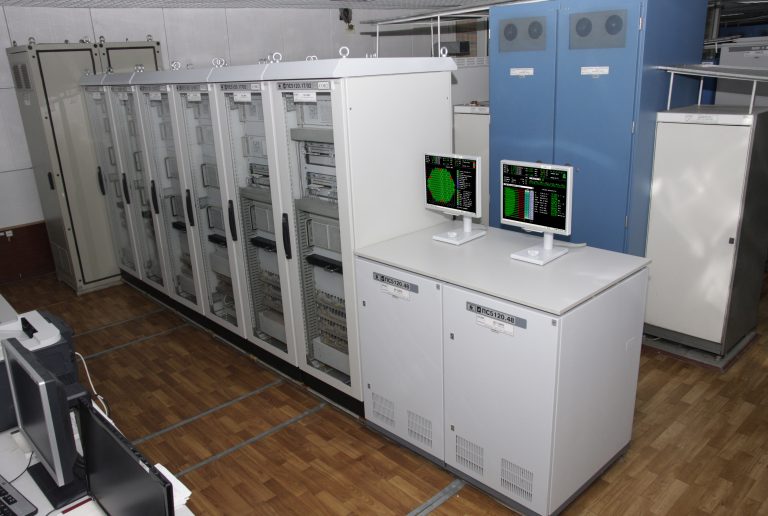
In-core monitoring system
The in-core monitoring system assures monitoring of neutron-physical and thermohydraulic parameters of a reactor facility’s (RF) primary circuit and information support to an operator.
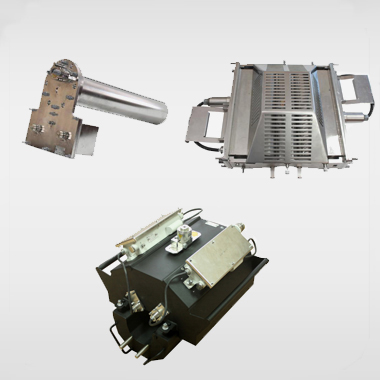
System to monitor boron-10 isotope (boric acid) concentration
The main function of the boron concentration monitoring system based on neutron solution analyzers NAR-I – automatic continuous measurement of boron-10 (boric acid) concentration in coolant at NPP power units with WWER-type reactors.
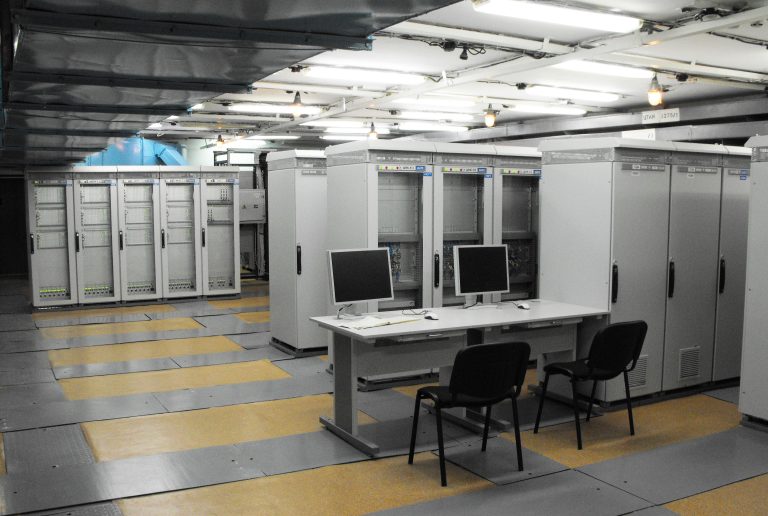
Safety control system technological
The system is designed to initiate actuation and control of the power units’ safety systems.
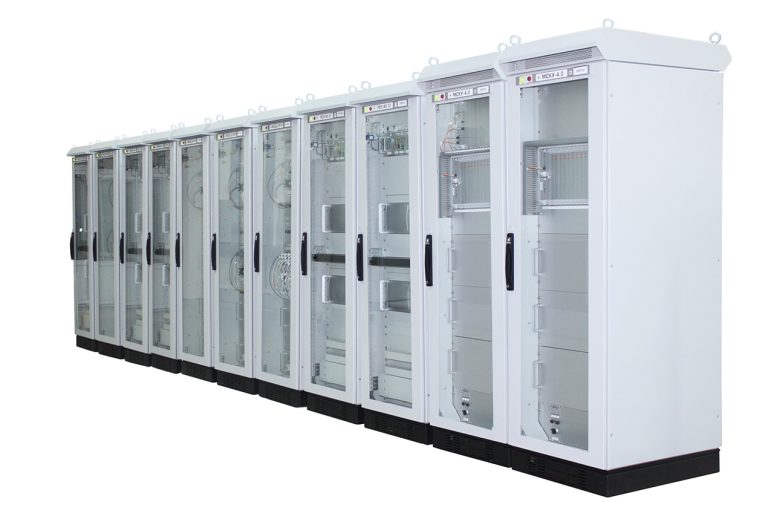
Complex diagnostics system for equipment of a reactor facility’s primary circuit
It provides complex technical diagnostics of the primary circuit equipment by analyzing diagnostic information received from power unit monitoring and control systems, local diagnostic systems and its own databases.