FROM A SMALL DESIGN BUREAU TO THE EUROPEAN-LEVEL COMPANY
70 years – is it much or little? For a company developing high technologies it is very much. During the Khrushchev thaw, when the ban on cybernetics as a “pseudoscience” was lifted, laboratories and design bureaus began to appear, which were aimed at development and implementation of computing equipment in many industrial fields. It was already possible to experiment freely and bring new ideas to life.
In 1956, a government decree led to the establishment of a small design bureau in Siverskodonetsk to automate the technological processes at the “Azot” chemical plant. Former front-line soldiers set to work, and university graduates began arriving to assist them. They learned on the job, mastering the development of logic devices based on ferrite diode cells and studying the plant’s manufacturing processes. The first results were not long in coming: the “Automatic dispatcher” automated system. It monitored and regulated production processes and tracked raw material flows. This was followed by similar systems for a number of chemical and metallurgical plants.
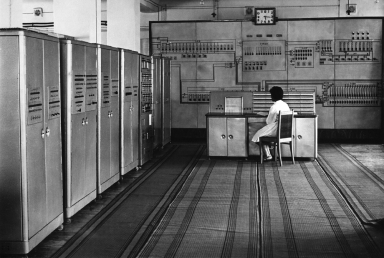
Automatic dispatcher
In the mid-1960s, the design bureau turned to a respectable Research Institute of Control Computers (RICC). In 1970s, RPA “Impulse” was established, which included RICC, Experimental Plant of Computing Equipment, Siverskodonetsk Instrument Engineering Plant. In 1982, by order of the Ministry of Instrument Engineering, RPA “Impulse” was designated as the lead organization in the USSR for the development, industrial production, and implementation of control and computing equipment for the nuclear power industry.
Documentation was developed and transferred to mass-production plants for the manufacture of control computers M-6000, M-7000, SM-1, SM-2, SM-2M, and SM-1210; terminals for computing communication with objects (TVSO series); PS-1001, and high-performance computing complexes PS-2000 and PS-3000 for geophysics and the space industry, among others. Based on this documentation, computing equipment was manufactured at several mass-production plants. The USSR State Planning Committee distributed their work across various sectors of the national economy. A number of organizations in the USSR developed application software for automating the control of specific facilities.
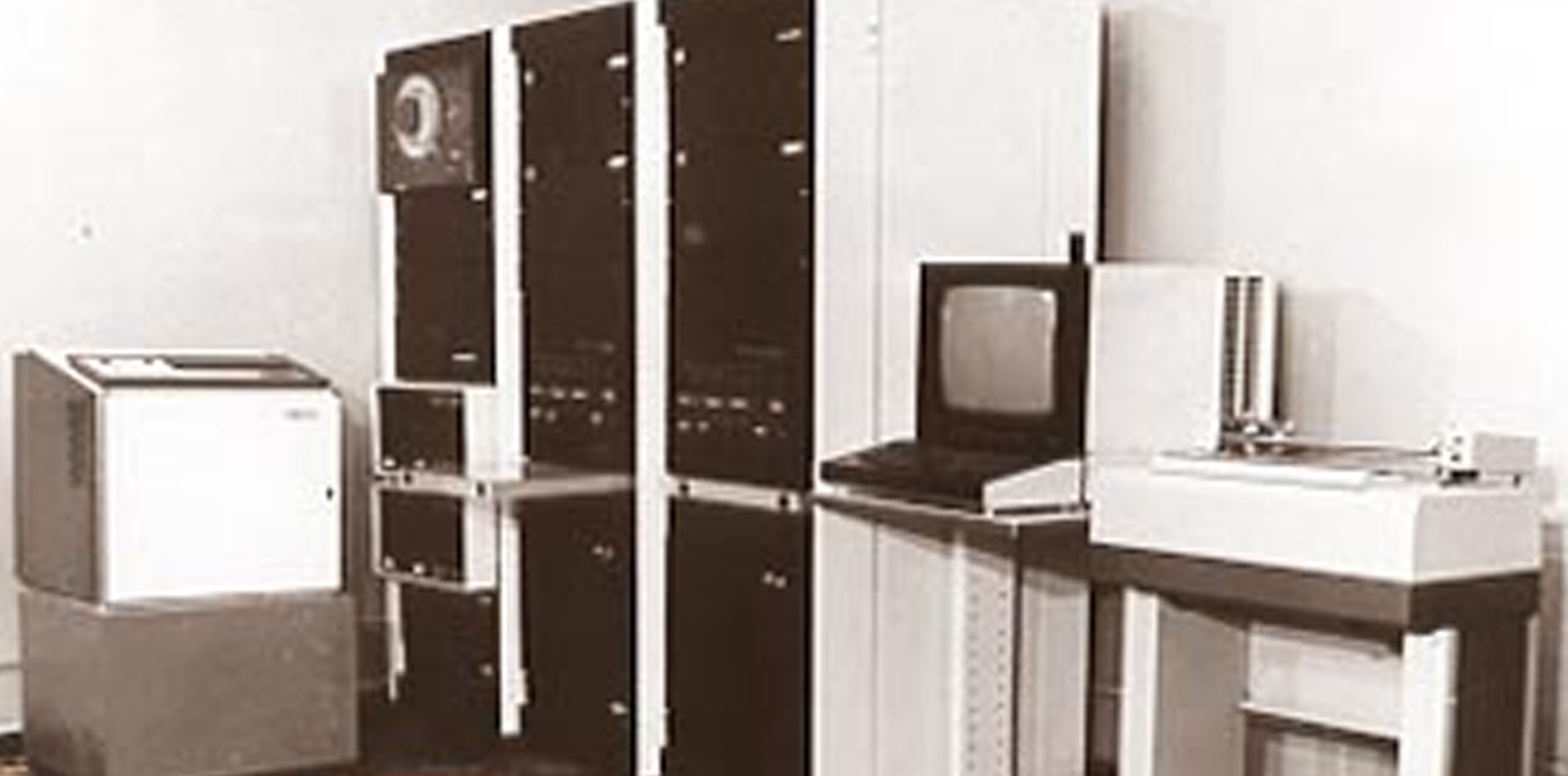
SM-2M
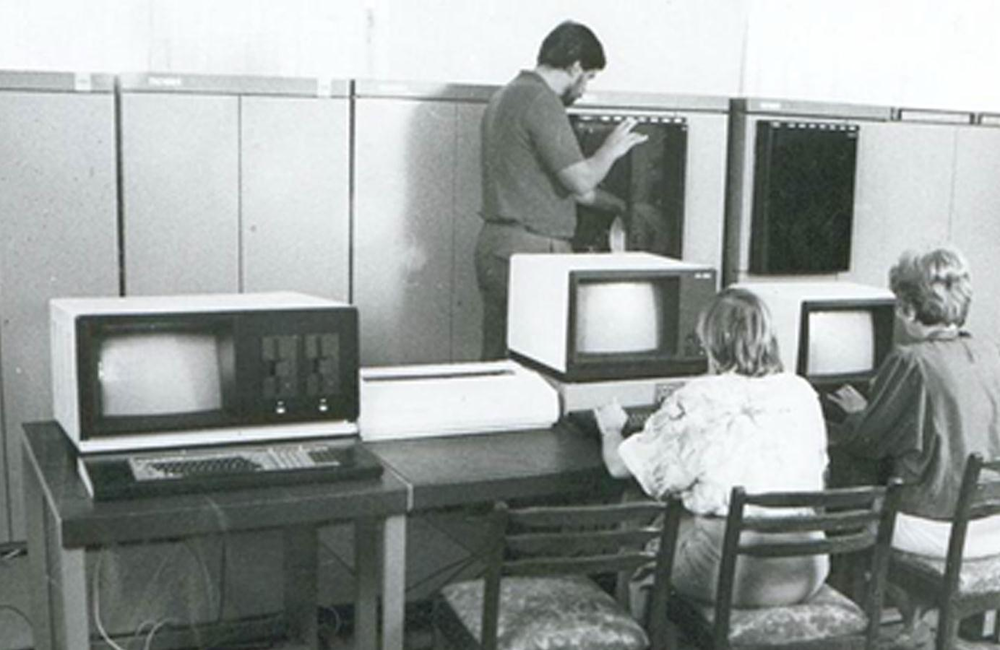
PS-1001
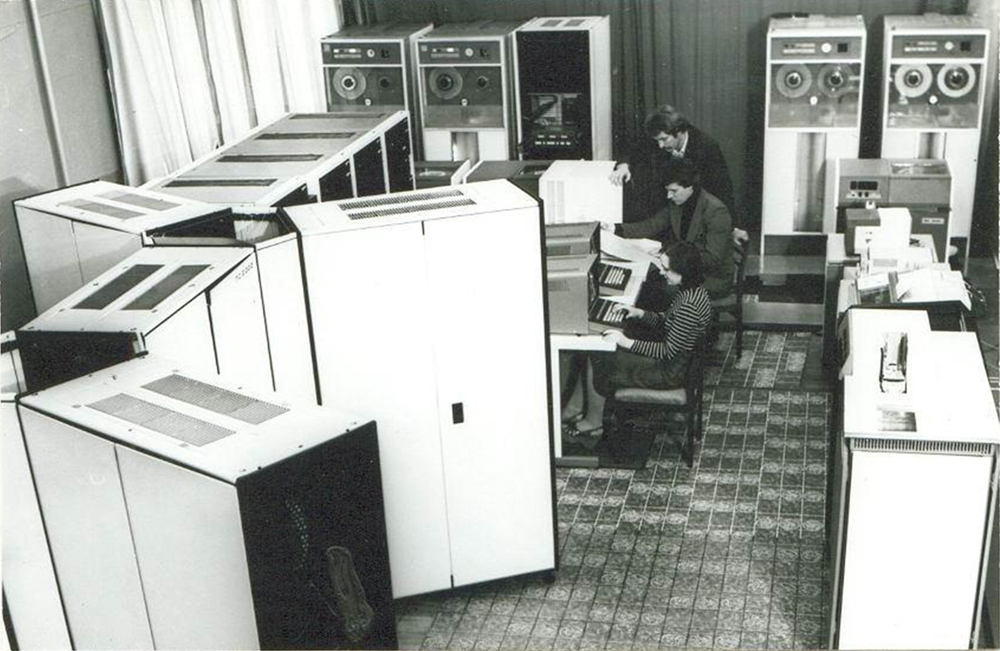
PS-2000
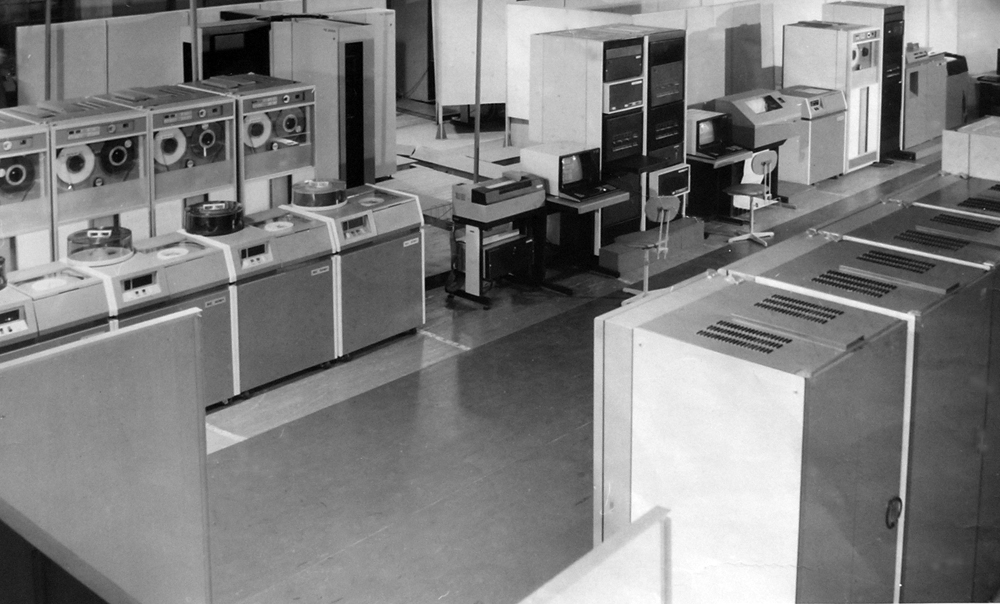
PS-3000
Starting in the late 1980s, plants began experiencing problems with selling their products. The reasons were clear: the “Iron Curtain” had lifted, and cheap, compact, more functional, and reliable computer equipment flooded into the Soviet Union, beginning to replace thousands of upper-level industrial control system computers. Soon, the Soviet Union collapsed, severing ties with many customers. The plants went bankrupt. By that time, only the RICC and a small Experimental Plant of Computing Equipment remained at RPA “Impulse”.
It was necessary to begin working under new market conditions, competing with the foreign manufacturers, at the same time preserving the experience and development expertise of Impulse. Thanks to the perseverance and dedication of those who believed in Impulse’s future, these challenges were gradually overcome. Modern, fault-tolerant industrial controllers, workstations, and real-time software were developed. Funding came from individual orders in the thermal and nuclear power sectors, as well as the oil and gas industry.
Instrumentation and control systems for NPPs
By the late 1990s, the issue of replacement of the instrumentation and control systems for NPPs had raised for the following reasons:
- after the Chornobyl disaster, IAEA put in force new standards to increase the nuclear safety, which were required to be met;
- a number of systems became morally and physically obsolete;
- main suppliers of the control systems turned out to be based abroad.
Impulse became a leading company in terms of solving these problems thanks to both its experience as the main organization for development and implementation of the control equipment at NPPs, and many years of experience as an immediate supplier of control computing systems M-7000, SM-2M, and TVSO for dozens of NPP units within the USSR and neighbouring countries.
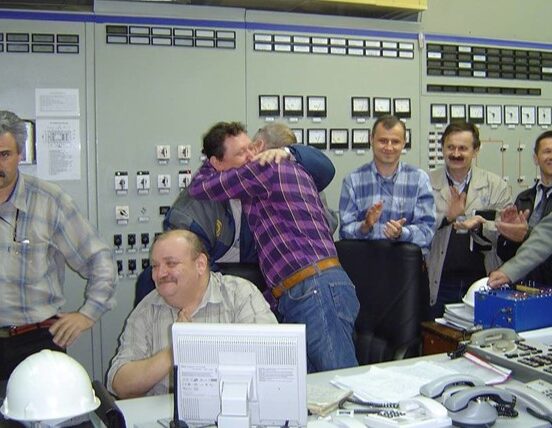
The first digital control system in Ukraine to meet international standards was the in-core monitoring system. The pilot prototype of the system was put into trial operation in 1999, and into commercial operation in 2001. Not everything worked out. We had to experiment and redesign in order to meet the new, stringent nuclear and radiation safety standards.
The goal of building a plant equipped with state-of-the-art equipment from Japan, South Korea, Switzerland, and other countries was achieved.
A major milestone in a development of Impulse began with the implementation of Ukraine’s State Programs on modernization, safety improvement of the existent NPP units and completion of the units at the Rivne NPP and the Khmelnytskyi NPP.
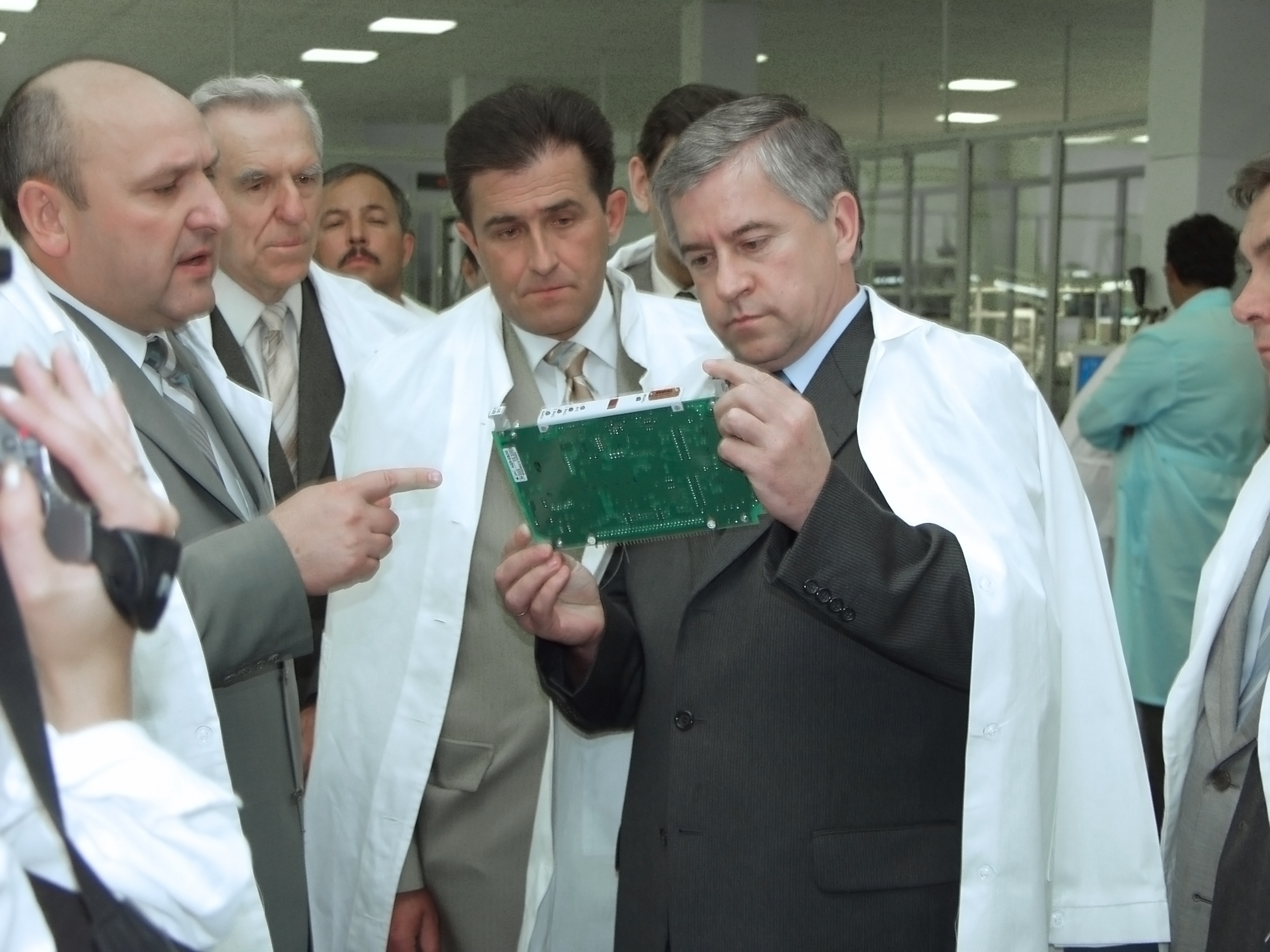
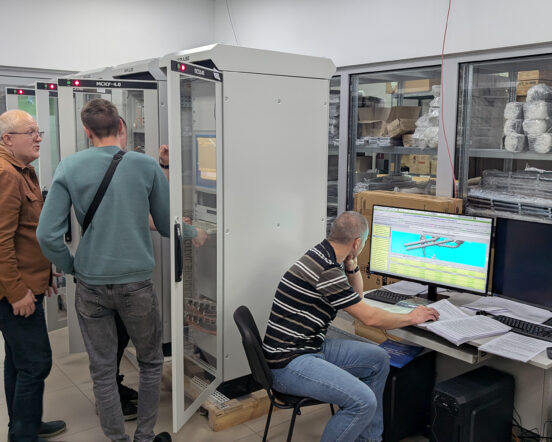
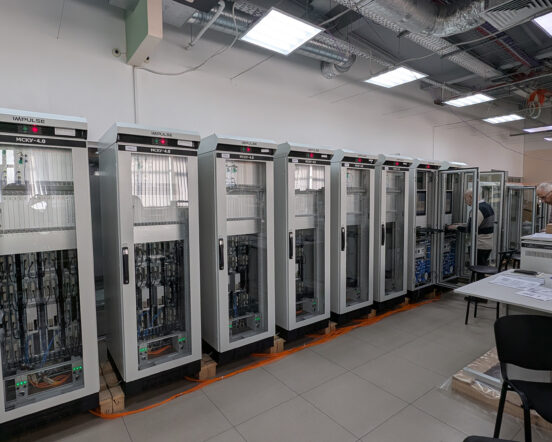
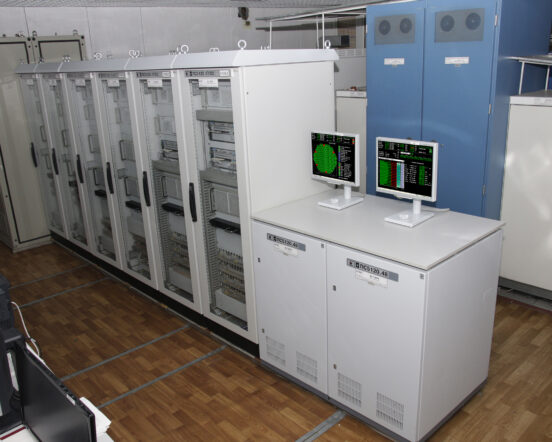
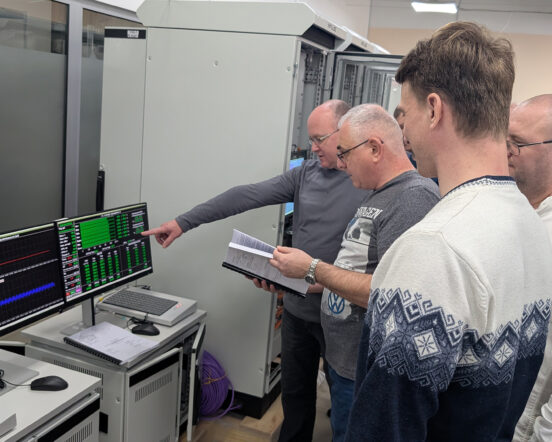
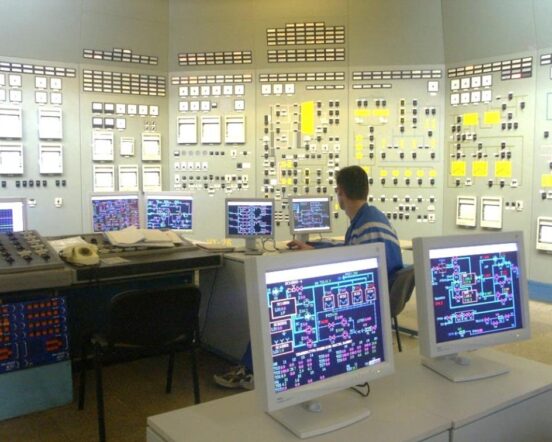
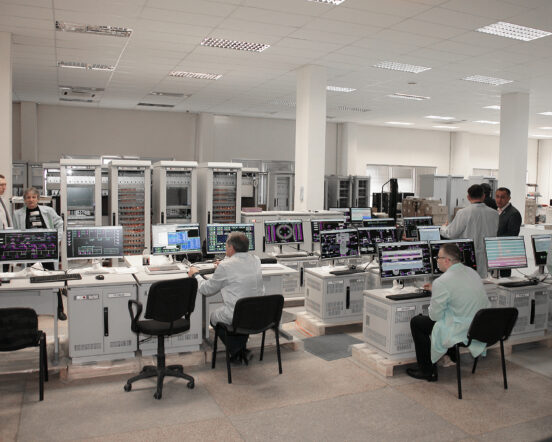
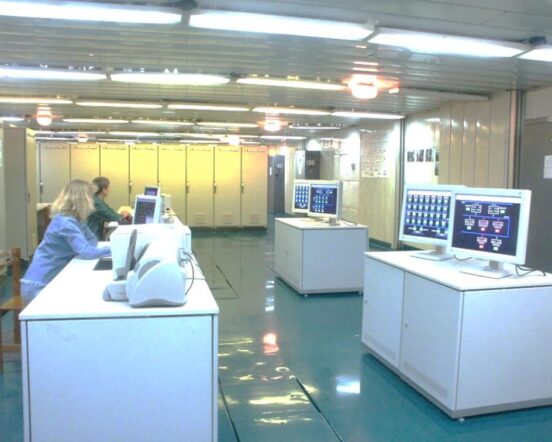
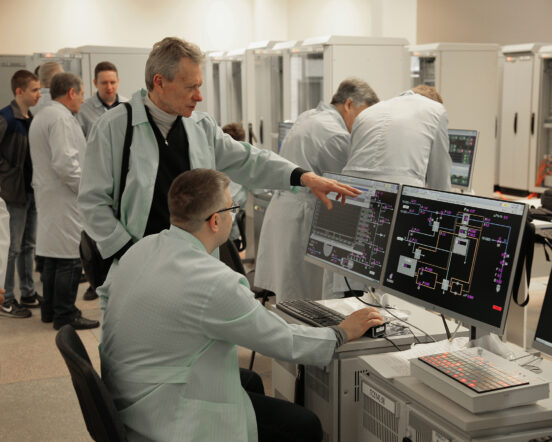
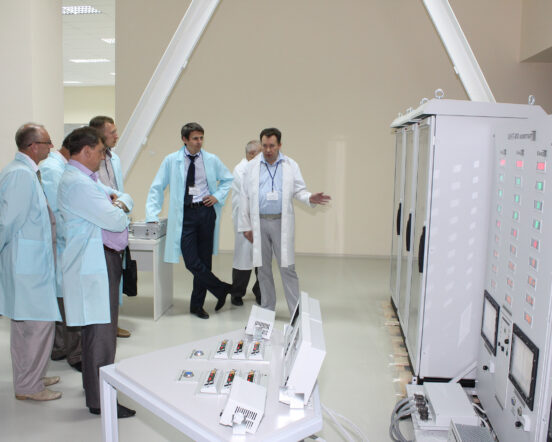
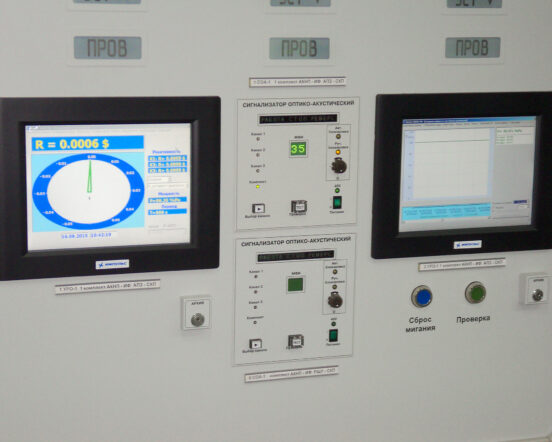
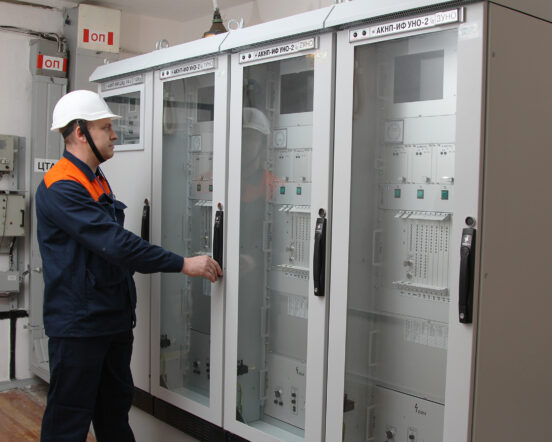
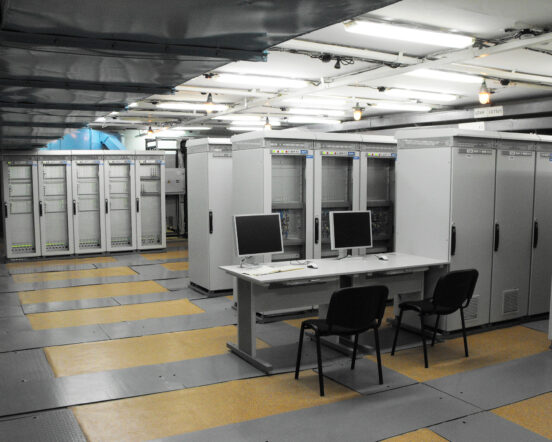
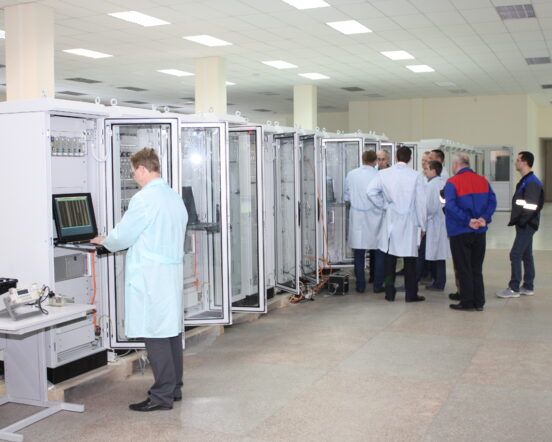
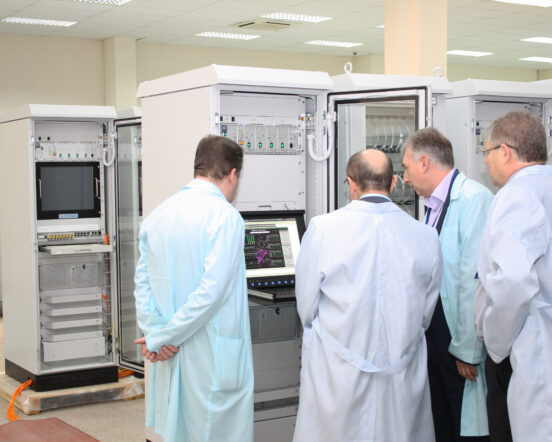
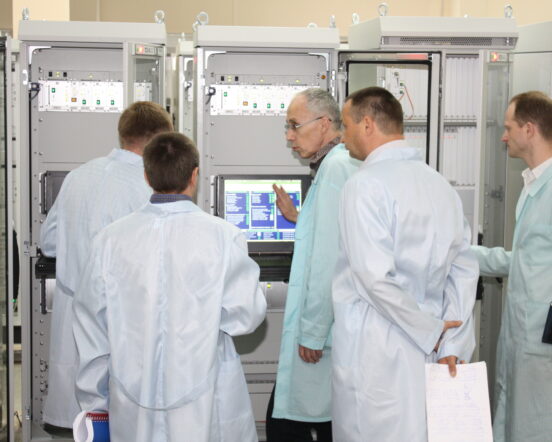
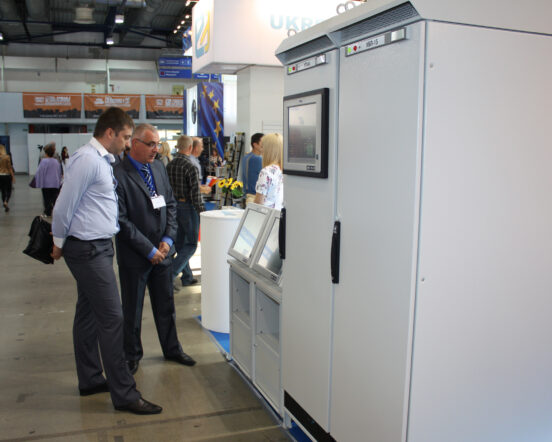
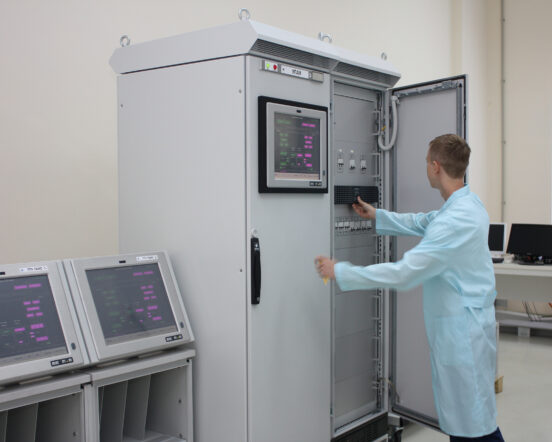
From 2001 to 2026, thousands of sets of instrumentation and control systems were developed, manufactured, and commissioned at NPPs of Ukraine, Armenia, Bulgaria, and Slovakia. They reliably control NPP units, can stop their operation if the critical situation is detected. The platform of these systems includes self-developed fail-safe industrial controllers of the MSKU series, workstations of PS-51XX series, basic and applied software. Digital fault-tolerant low-voltage switchgears – distributing current valve equipment RTZO with diagnostic functions for electric drive valves were created.
The quality level of systems can be judged by the fact that Impulse has repeatedly been recognized as the winner in international tenders on the NPP automation, held by the European Commission, Euratom, and EBRD. At present, Ukrainian NPPs alone are operating 740 different types of complex electronic units, totalling over 200,000 units, as part of systems manufactured by the company “Impulse”. Collectively the systems comprise a full-scale ICS of a power unit.
In-core monitoring system
Process information system for an NPP unit’s upper level
Neutron flux monitoring system
Safety control system
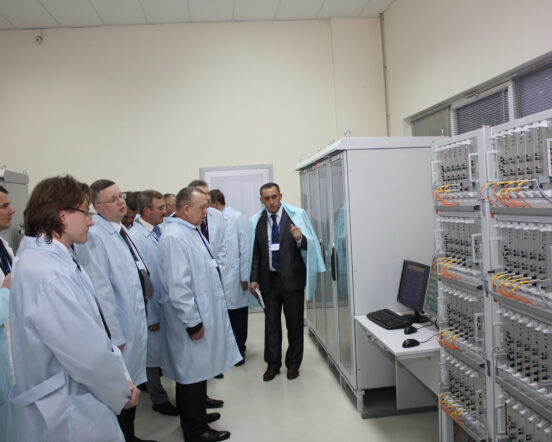
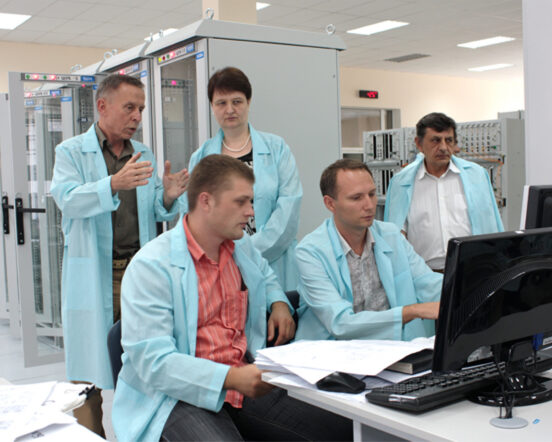
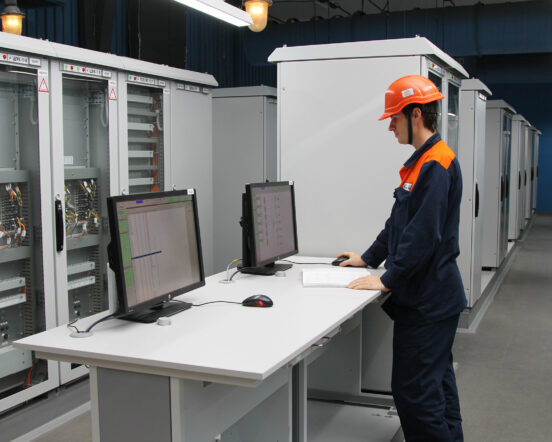
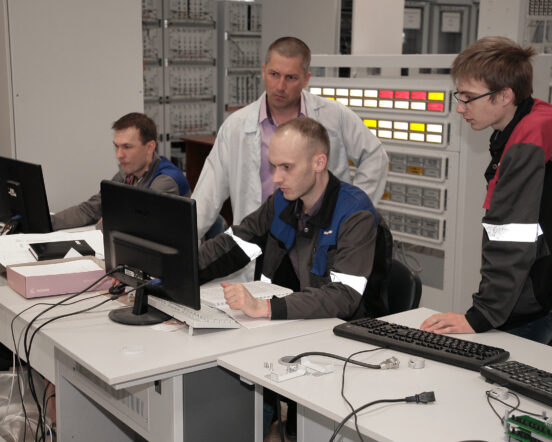
Digital normal operation control system
Complex diagnostics system for a nuclear reactor
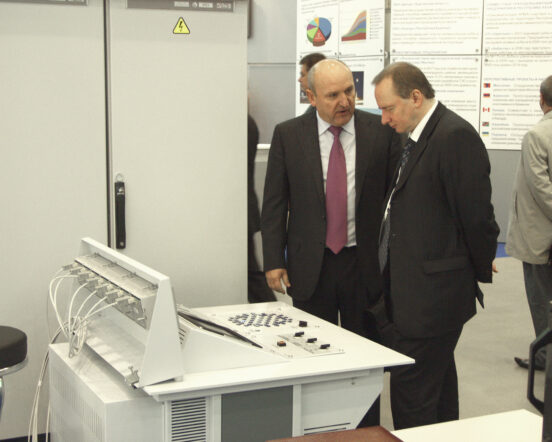
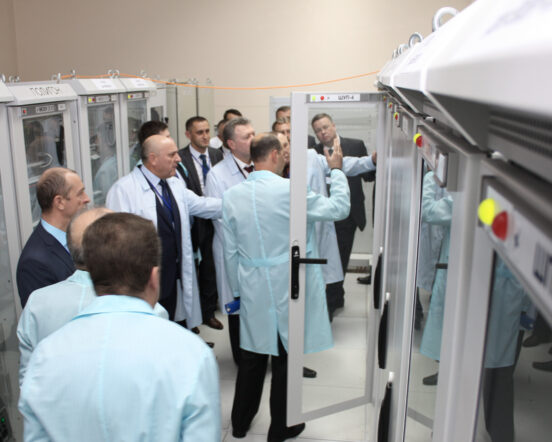
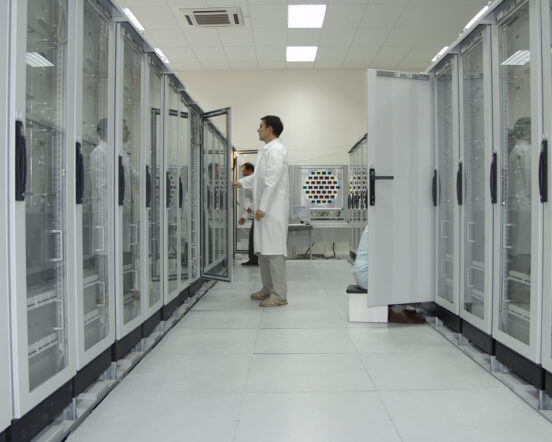
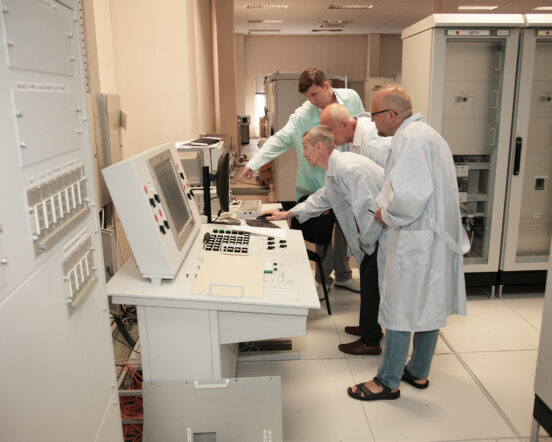
Rod control system for the nuclear reactor
Standby diesel generator station automatic control system
System to monitor boric acid concentration
Post-accident monitoring system
Railway automatics
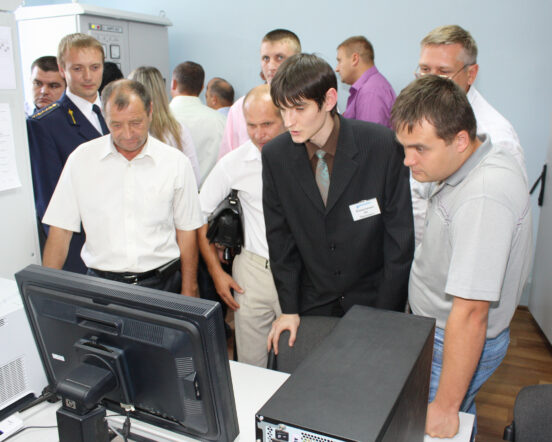
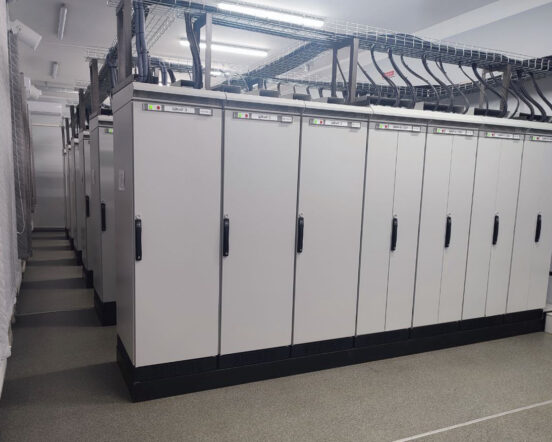
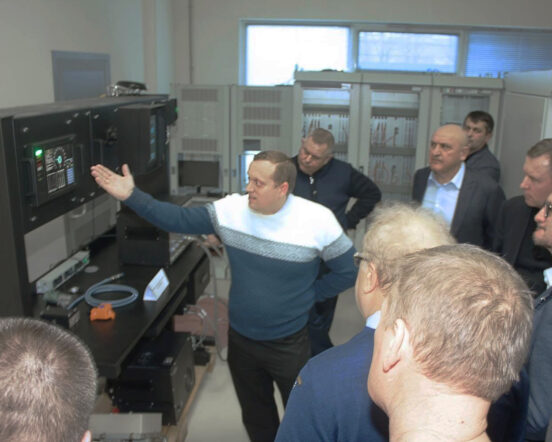
In 2007, the works on the railway automation began. Entering the railway field started from a small step – power supply panels for electrical interlockings. It turned out that the railway automatics requirements had many peculiarities, which were different (and sometimes more stringent) from the requirements applicable for the nuclear power industry. Within a year, prototype panels were implemented; after reworks based on the results of trial operation, they were mass-produced and deployed in the dozens each year. These were no longer the primitive panels that had been purchased from CIS countries, but rather intelligent devices with powerful diagnostic capabilities and the ability to analyze the quality of the incoming current (with information transmitted to the upper-level system via a digital communication channel).
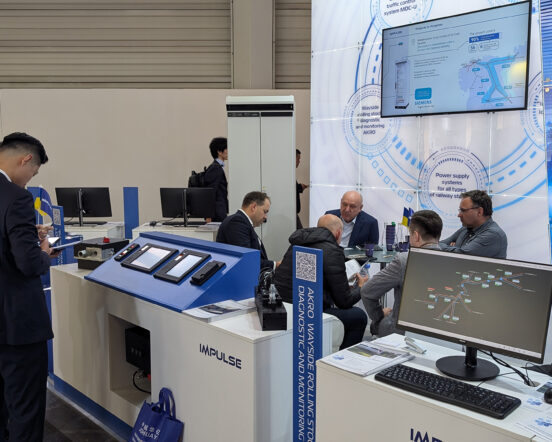
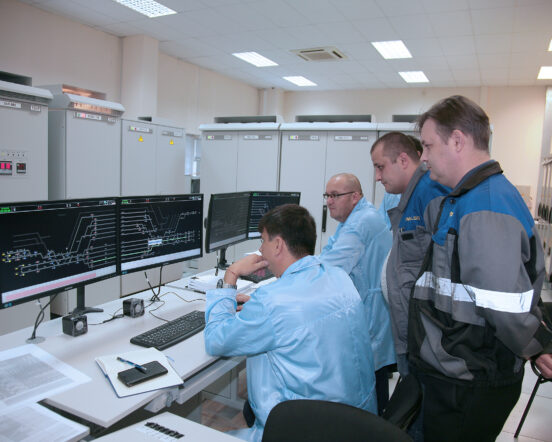
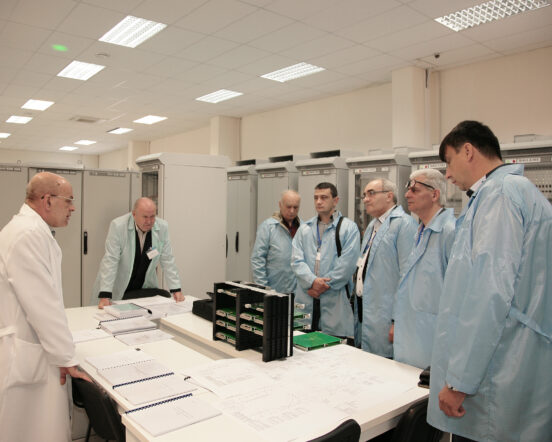
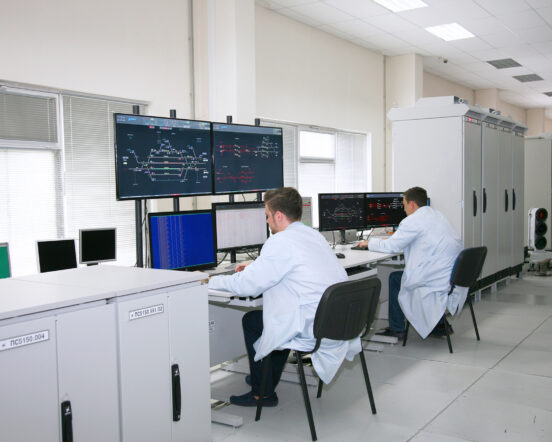
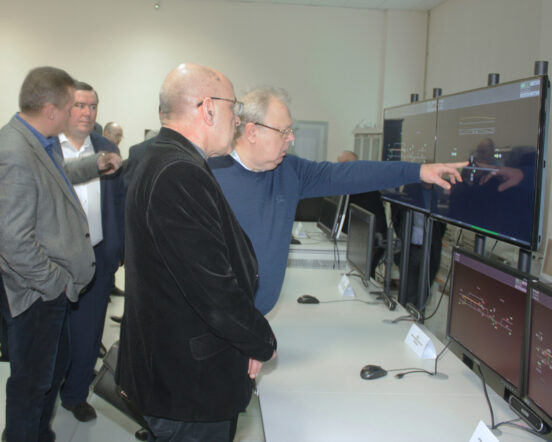
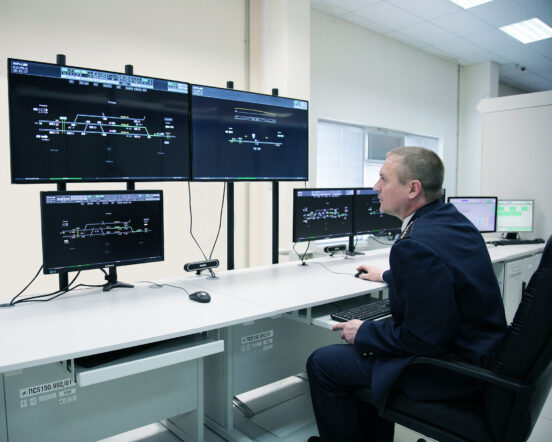
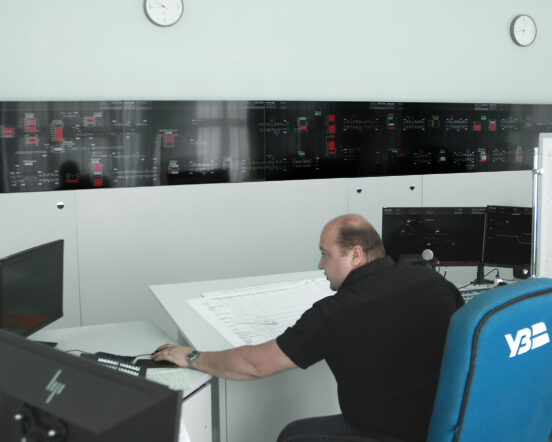
Then followed the development and implementation of complex and responsible microprocessor systems: interlocking MPC-U, automatic block signalling MAB-U, semi-automatic block signalling MPAB-U, track circuits MRC-U, axle counting MSSO-U, centralized traffic control MDC-U, on-board locomotive safety system SLB-I, remote rolling stock monitoring system AKRO, train car automatics, etc. From 2008 to 2006 thousands of sets of the systems were developed, manufactured, and commissioned at railways of Ukraine, Bulgaria, Lithuania, Latvia, Estonia.
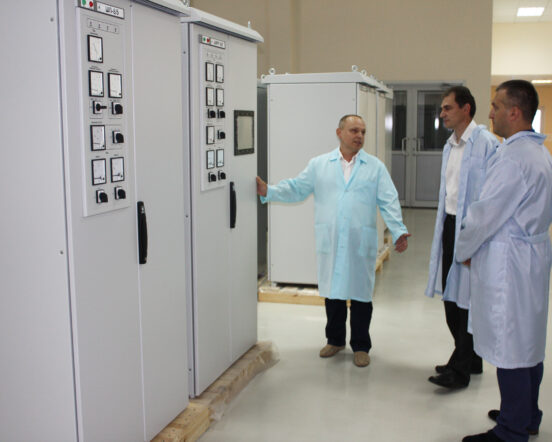
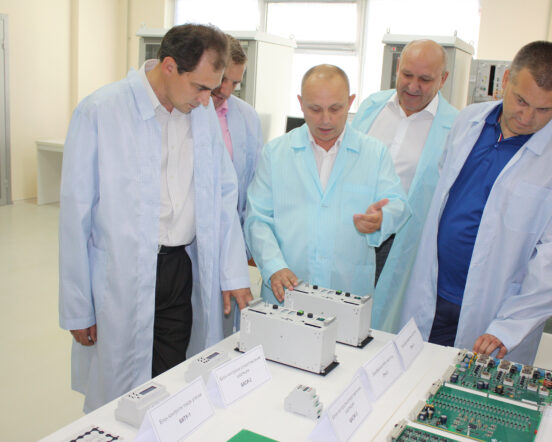
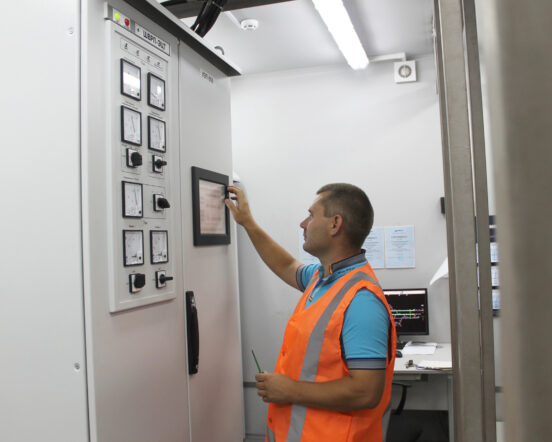
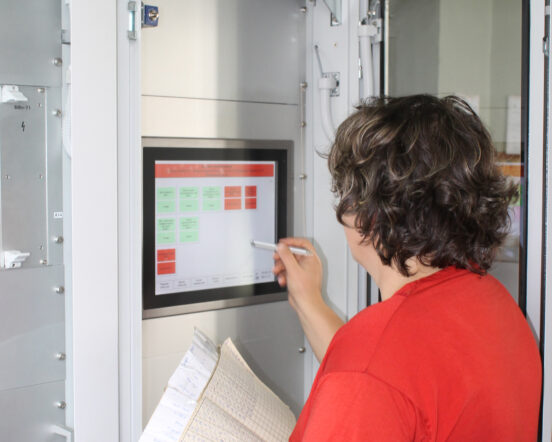
High-reliability signalling power supply systems
Microprocessor interlocking system
Microprocessor centralized traffic control system
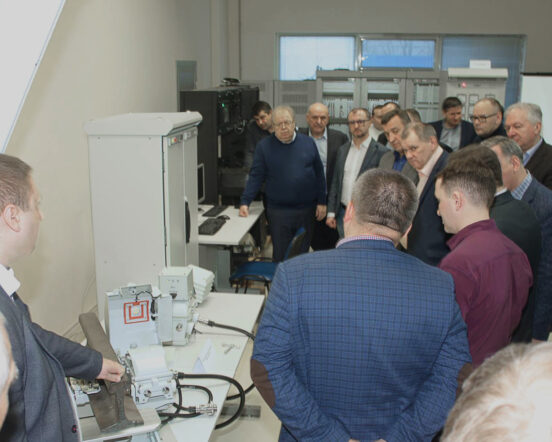
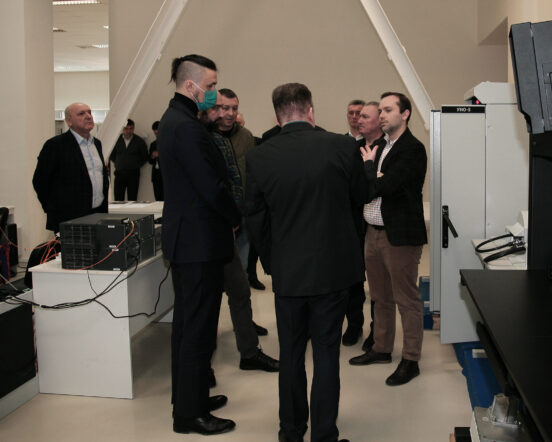
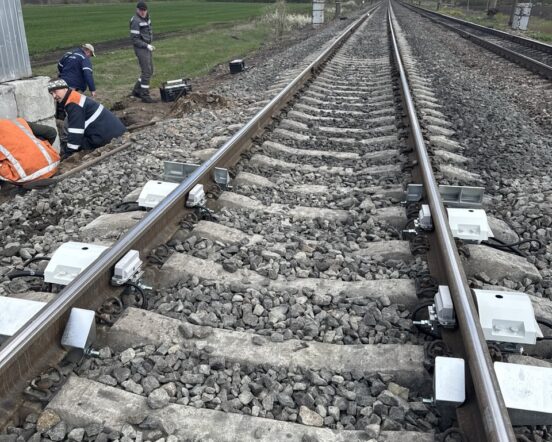
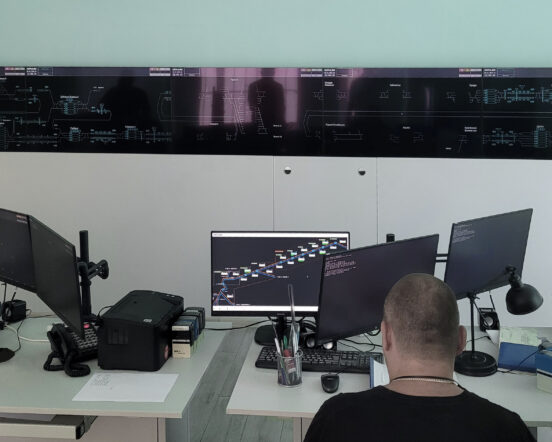
Remote rolling stock monitoring system
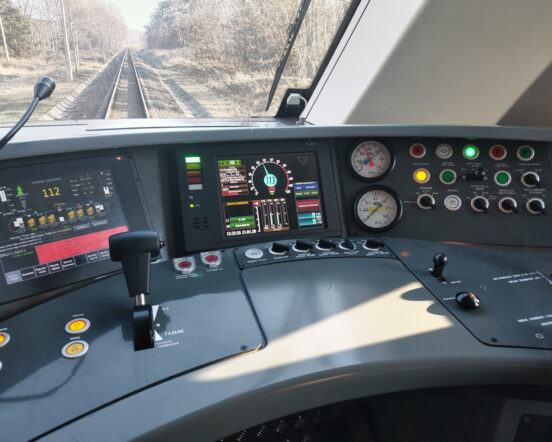
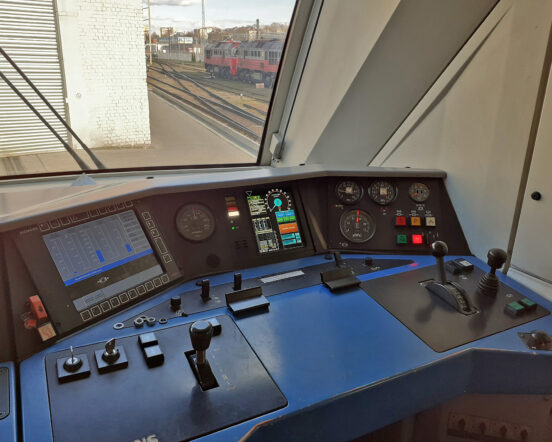
Locomotive safety system
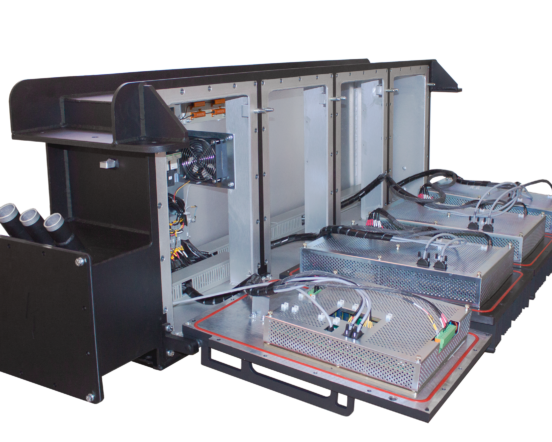
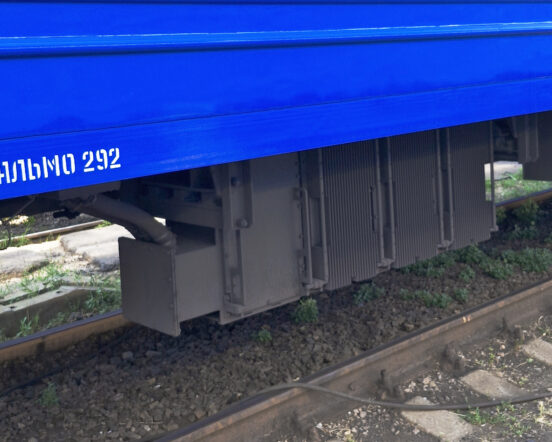
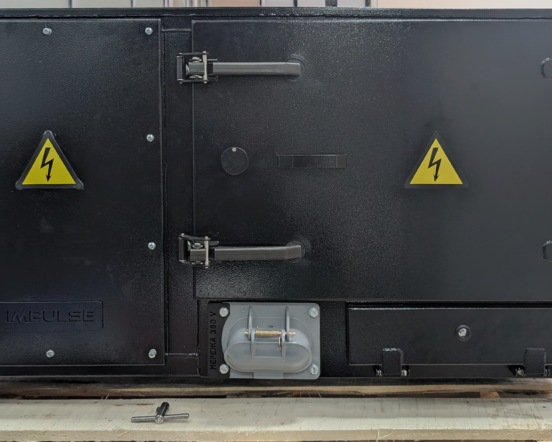
Train car automatics
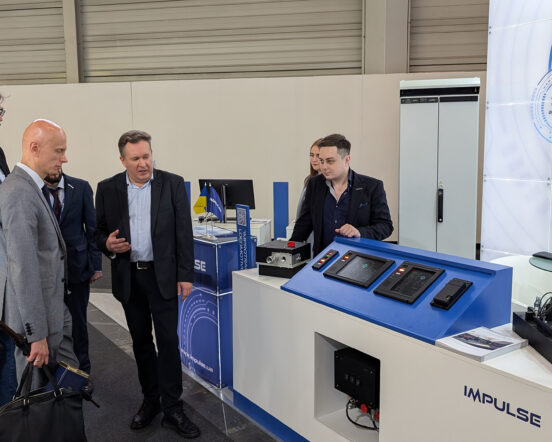
Currently, the railway automatics systems manufactured by SRPA “Impulse” form a modern, integrated, intelligent system for the safe train traffic control. Their safety and reliability are confirmed by a European certificate of conformity to the highest safety integrity level, SIL4, and by a decade of operation on mainline railways in Ukraine and Europe.
Electrotechnical products
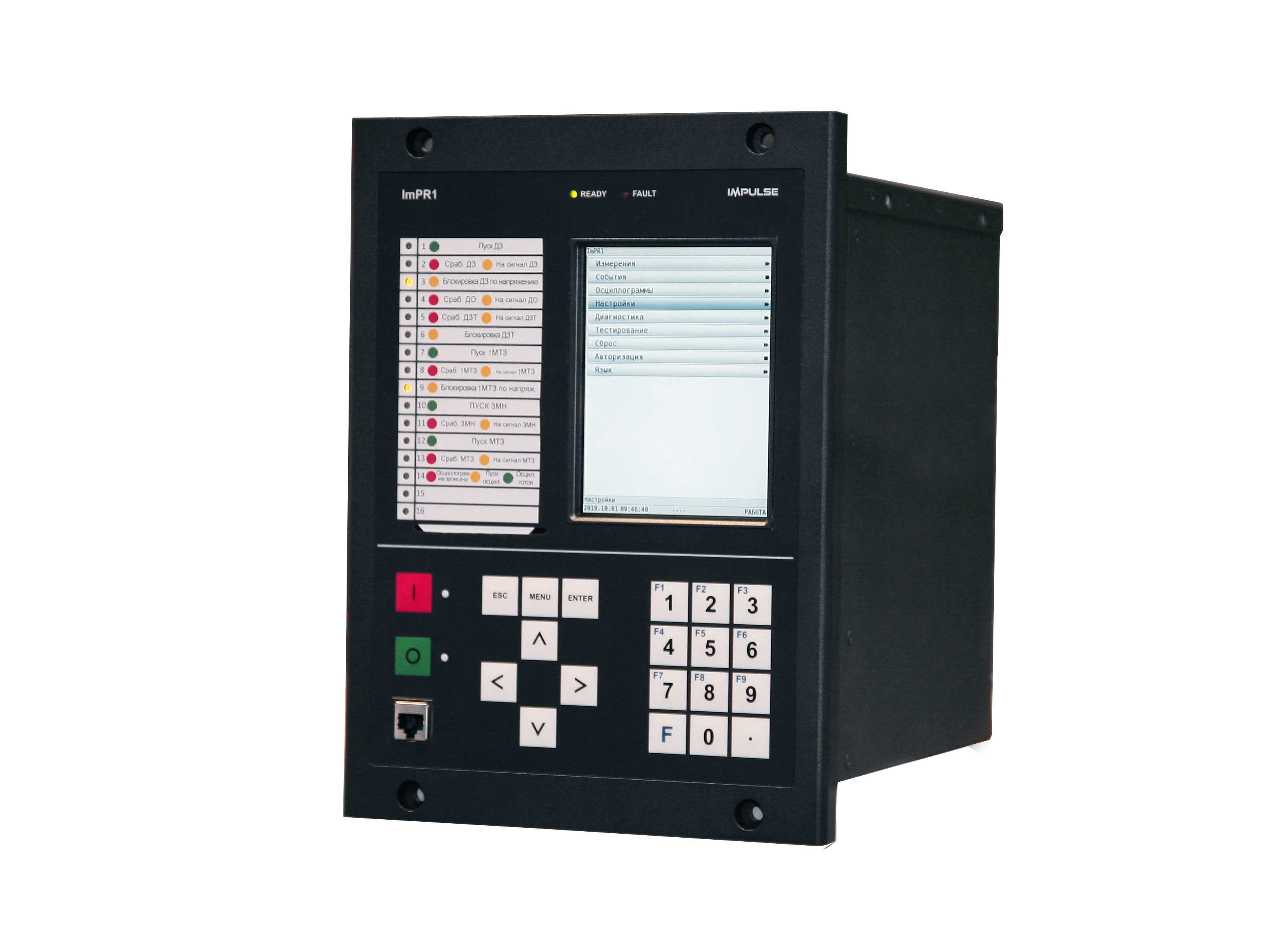
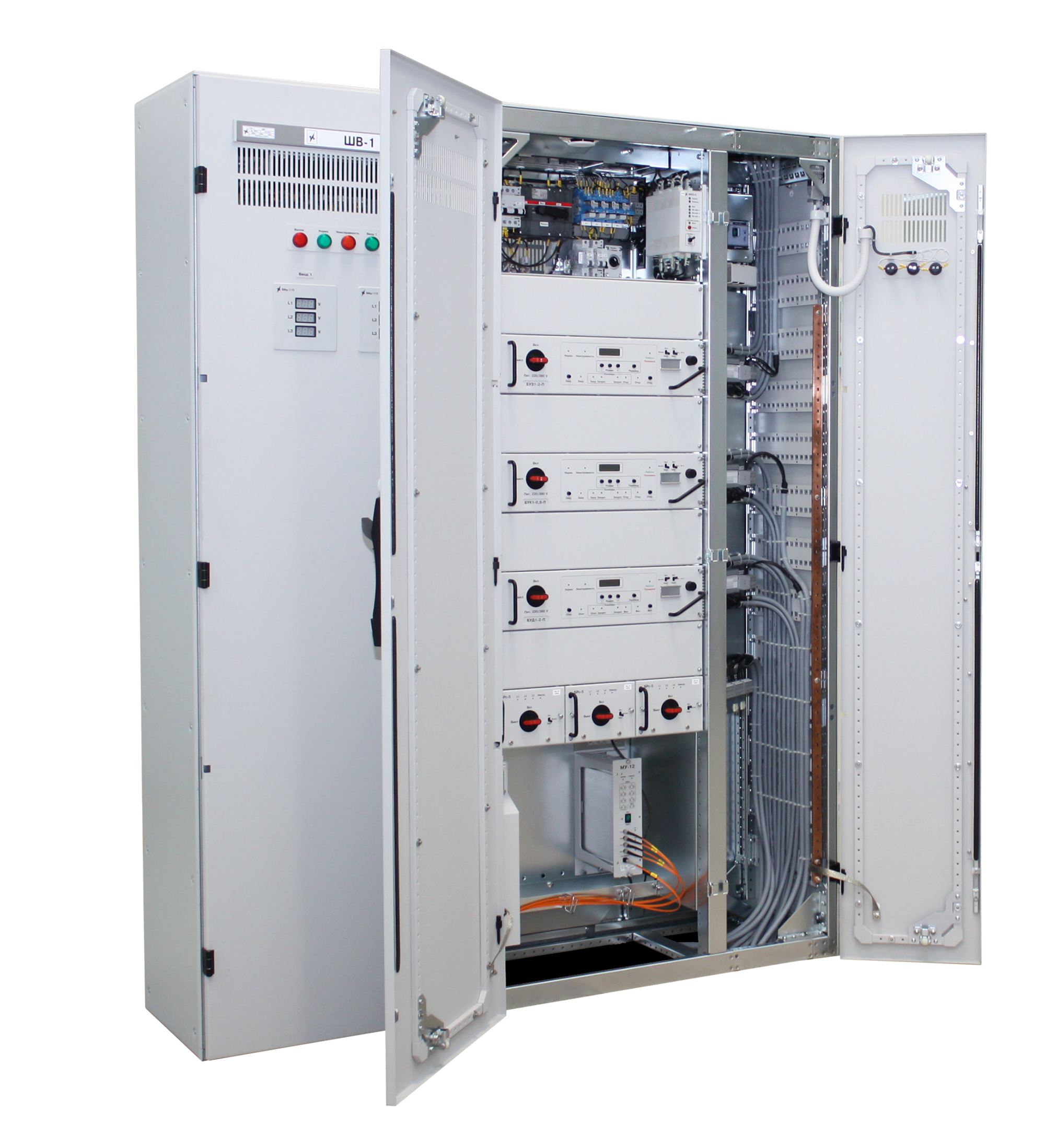
For the electrotechnical market there are state-of-the-art reliable power supply systems, digital relay protection and automatics devices, “Smart Greed”-class systems.
Impulse today
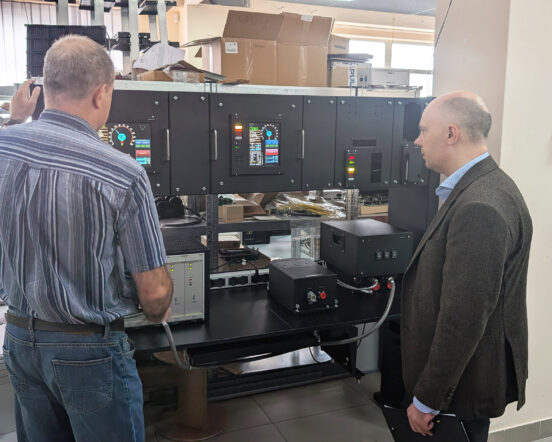
The intense competition, the more and more stringent requirements of the automation standards give an incentive to work on new solutions and systems. The R&D subdivisions are developing a number of products, which will be in demand in the near future according to our product managers’ forecasts. Work is constantly underway to improve the characteristics of technical devices through the use of the most advanced components and optimal technical solutions. Using these components, it is possible to design systems that meet any project requirements for reliable control through redundancy at various levels: “2 out of 3,” “2 out of 4,” “3 out of 6”, and built-in diagnostic systems.
The newest modification of the in-core monitoring system SVRK-M2 is produced based on the national calculation complex “ImCore” developed by Impulse. It ensures monitoring of cores with the mixed fuel loads by any suppliers and a forecast of the future behaviour of a nuclear reaction, with recommendations for the operator.
The upper-level process information system includes a subsystem for displaying safety parameters which instantly presents NPP operators with a concise overview of the reactor’s integral safety level, as determined by the reactivity of the core, the integrity of its cooling system, core cooling and primary circuit heat removal processes, the level of radioactivity and other factors.
A number of diagnostic systems predict the time by which a particular piece of reactor equipment must be replaced or repaired.
Railway automation systems incorporate functions for diagnosing the controlled equipment, with predictions of the time of its preventive maintenance and repairs.
Work is nearing completion on expanding the functions, improving the performance and adapting train traffic control systems to the European standards ETCS (European Train Control System) and EULYNX. As a result, it will be possible to compete effectively not only in Ukraine but also in European markets.
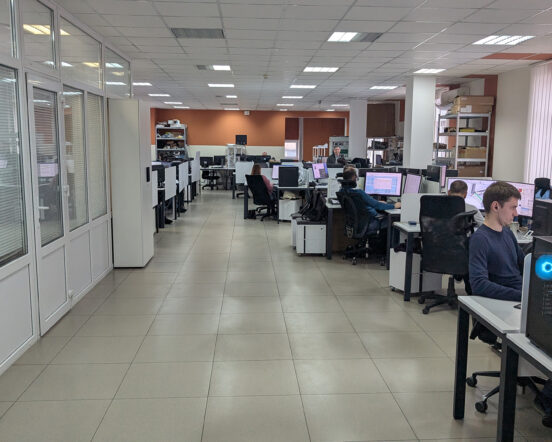
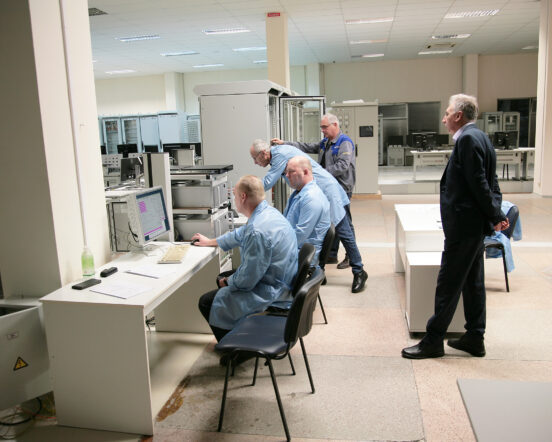
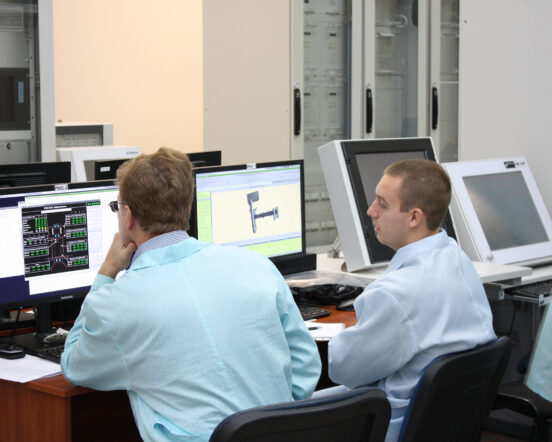
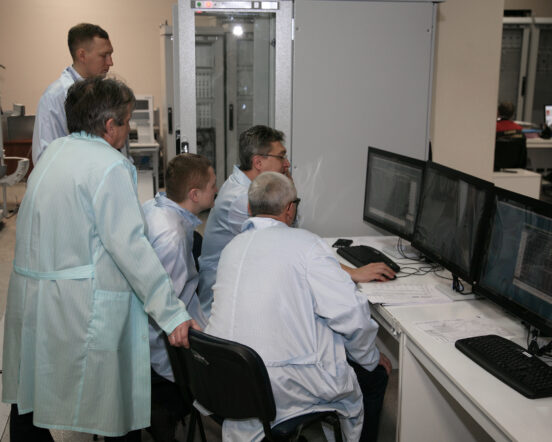
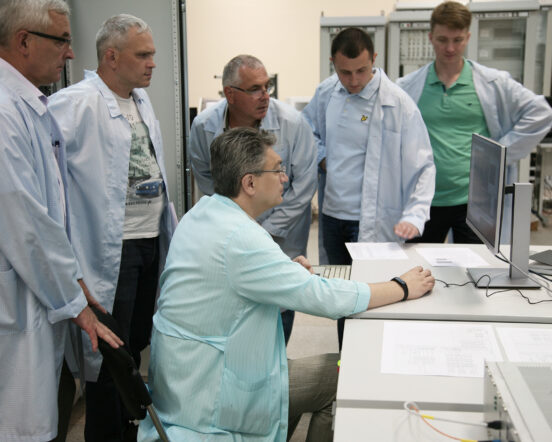
The company has created all the conditions necessary for the team to work effectively and productively. Every employee’s workstation is equipped with state-of-the-art tools: a computer, the necessary equipment, and so on. An ERP system has been in operation for around 20 years, enabling the automated management of development and production processes within a single information environment. Modern tools have been implemented that significantly improve the efficiency and quality of developers’ work:
- work organization (EasyRedmine, Jira, Confluence);
- staff collaboration (Zoom, Mattermost);
- programming (GitLab, Eclipse IDE);
- quality control using automated testing and data analysis (using the Bash and Python programming languages).
For 70 years, the guiding principle of our operations has been, and remains: “Technological processes managed by Impulse systems must be carried out with the maximum safety and efficiency.” The components of our strategy are geared towards this objective, ensuring the company’s development and competitiveness both in Ukraine and abroad:
- The primary focus is on developing solutions that meet the highest safety standards.
- Quality and responsibility: every product or service is created with a focus on durability, quality, and responsibility towards customers and society (internal operations are regulated by more than two hundred company standards);
- Innovation: a constant search for new technologies and methods that improve the efficiency of the control systems manufactured.
- Market leadership in control systems: Impulse strives to be the leading supplier in its sector, offering comprehensive solutions for the automation of the nuclear power industry, railways, and electricity distribution processes.
- Development of partnerships: active cooperation with domestic and international organizations, research centres and component suppliers.
- Export expansion: increasing the share of exports by entering new markets and adapting products to international requirements.
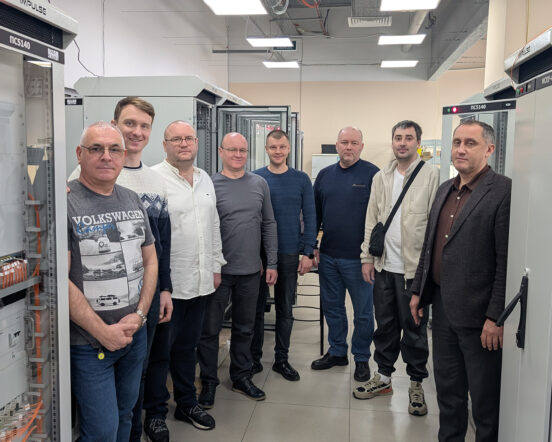
The secret to the company’s success lies in the seamless teamwork of three generations of like-minded individuals. The older generation brings a wealth of experience, the middle generation is skilled at carrying out work to a high standard, and the younger generation injects creativity into every creative process. The traditions that have enabled the company to remain a leader in the development of control systems for critical facilities for 70 years are:
- ambitious plans, focus and perseverance in tackling challenges that initially seemed insurmountable;
- problems are solved comprehensively, with a long-term perspective;
- introduction of innovative technologies across all areas of the company’s operations;
- unique creative atmosphere, a spirit of unity and mutual support.